
Quinoa: Complete Guide to the Mother Grain


Introduction: The Sacred Seed of the Andes
In the rarified air of the Andean highlands, where few crops can survive the harsh conditions, a remarkable seed has thrived for thousands of years. Quinoa (Chenopodium quinoa), often referred to as the “mother grain” or “chisaya mama” in Quechua, has been a staple food of indigenous Andean people since long before the rise of the Incan Empire.
“The resilience of quinoa mirrors the resilience of the Andean peoples themselves—adapting to harsh conditions while maintaining exceptional nutritional integrity.” — Dr. Maria Contreras, Ethnobotanist at the International Andean Grains Research Institute
Today, this ancient seed has captured global attention for its exceptional nutritional profile and culinary versatility. Yet beyond its impressive protein content and adaptable nature lies a rich cultural heritage and agricultural wisdom that deserves deeper appreciation.
In this comprehensive guide, we’ll explore:
- The fascinating history and cultural significance of quinoa
- Its extraordinary nutritional properties that exceed most plant foods
- The remarkable biodiversity with over 3,000 varieties
- Essential preparation techniques for optimal flavor and nutrition
- Creative culinary applications from traditional to modern
- Sustainability considerations in the age of global quinoa demand
Whether you’re a nutrition enthusiast, culinary explorer, or simply curious about this remarkable Andean treasure, join us as we delve into the complete story of quinoa—from ancient ceremonial food to modern superfood sensation.
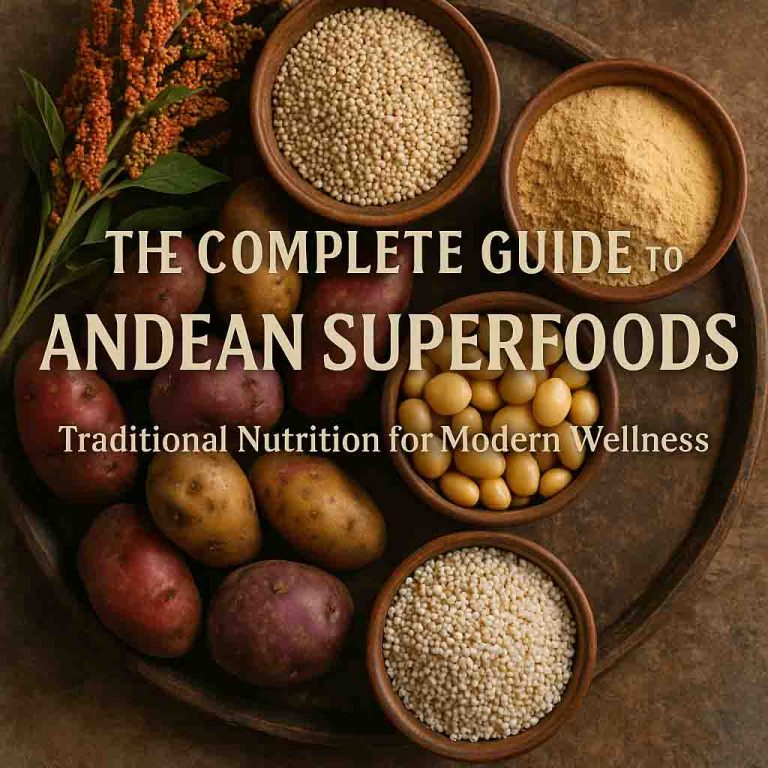
This guide is part of our Complete Guide to Andean Superfoods, where you can discover the full spectrum of nutritional treasures from the Andes Mountains.
The Remarkable History of Quinoa
Ancient Origins: 5,000+ Years of Cultivation
Quinoa’s domestication story begins approximately 5,000-7,000 years ago in the area surrounding Lake Titicaca, where Peru and Bolivia meet. Archaeological evidence shows that various indigenous groups cultivated quinoa well before the rise of the Incan civilization, selectively breeding the wild plant into the nutritional powerhouse we know today.
Sacred Status in Incan Culture
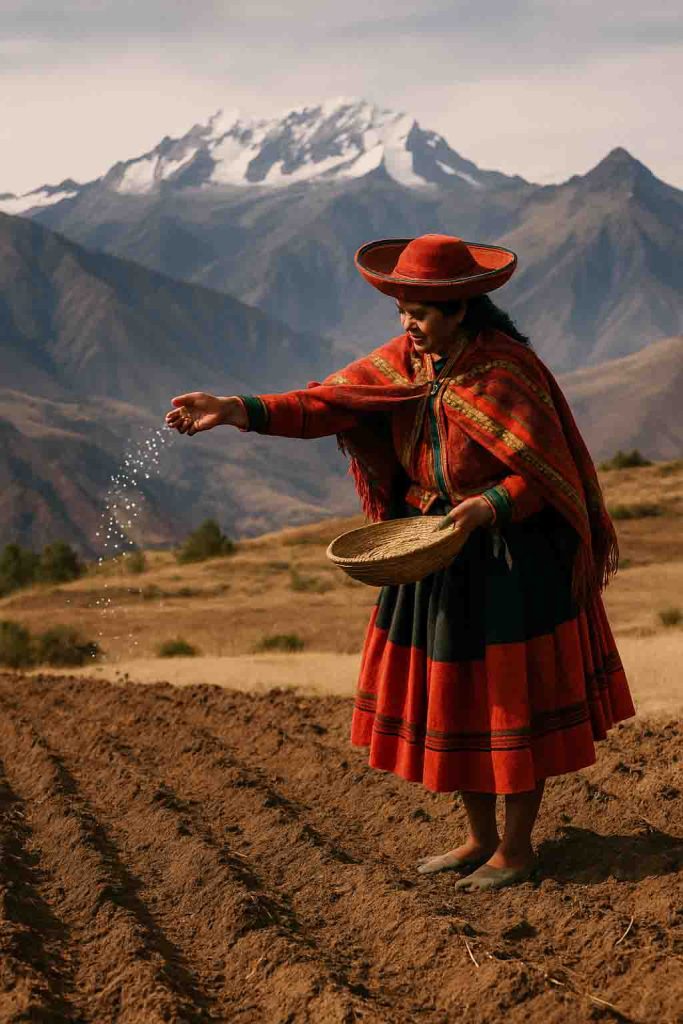
When the Incan Empire rose to prominence in the 13th century, quinoa achieved sacred status. The Incan emperor would traditionally plant the first quinoa seeds each growing season using golden tools, honoring the crop’s importance to the empire’s food security and resilience.
Quinoa was so revered that it was referred to as “chisaya mama” or “mother grain” in Quechua, though botanically speaking, it’s not a true grain but a pseudocereal related to spinach and beets. Its ability to thrive at high altitudes where other crops failed made it essential to Andean food sovereignty.
Colonial Suppression and Indigenous Preservation
The Spanish conquest brought dramatic changes to Andean agriculture. Colonial authorities, recognizing quinoa’s cultural and religious significance, actively suppressed its cultivation in favor of European crops like wheat and barley. In some regions, growing quinoa was even forbidden as Spanish colonizers attempted to eradicate indigenous religious practices.
Despite these pressures, indigenous farmers continued growing quinoa in remote mountain areas, preserving not only the seeds but the traditional knowledge of cultivation and preparation that had developed over millennia.
From Marginalization to Global Recognition
For centuries following colonization, quinoa remained primarily a subsistence crop for indigenous communities, largely ignored by urban populations who had adopted European dietary preferences. This changed dramatically in the late 20th century when nutritional research revealed quinoa’s exceptional properties, particularly its complete protein profile.
NASA’s interest in quinoa as a potential crop for long-term space missions in the 1990s further elevated its profile. By 2013, international attention had grown so significant that the United Nations declared it the “International Year of Quinoa,” recognizing both its nutritional importance and cultural heritage.
Learn more about the cultural significance of Andean foods in our article on Sacred Foods: The Spiritual Significance of Andean Superfoods
Nutritional Excellence: Why Quinoa Stands Apart
Complete Protein Profile
What truly distinguishes quinoa from most plant foods is its protein completeness. Unlike most grains and plant sources that lack one or more essential amino acids, quinoa contains all nine essential amino acids in a balanced ratio similar to the protein quality found in milk:
- Protein quantity: Contains 8-9g of protein per cooked cup
- Biological value: High digestibility and bioavailability
- Lysine content: Particularly rich in lysine, typically lacking in grains
- Balanced profile: Contains isoleucine, leucine, lysine, methionine, phenylalanine, threonine, tryptophan, and valine in beneficial proportions
This complete amino acid profile makes quinoa especially valuable for vegetarians, vegans, and anyone looking to incorporate more plant-based proteins in their diet.
Micronutrient Density
Beyond protein, quinoa offers an impressive array of vitamins and minerals:
NutrientAmount per Cup (Cooked)% Daily ValueManganese1.17mg58%Magnesium118mg30%Phosphorus281mg28%Folate77.7mcg19%Copper0.36mg18%Iron2.76mg15%Zinc2.02mg13%Thiamin0.2mg13%Riboflavin0.2mg12%Vitamin B60.23mg11%
This nutrient profile helps explain why cultures that relied heavily on quinoa maintained good health despite limited access to animal foods. The mineral content is particularly notable, with magnesium, iron, and zinc often being nutrients of concern in plant-based diets.
Fiber and Digestive Health
Quinoa provides approximately 5.2g of fiber per cooked cup, supporting digestive health through multiple mechanisms:
- Prebiotic effects: Feeding beneficial gut bacteria
- Regularity support: Promoting healthy elimination
- Satiety enhancement: Creating a lasting feeling of fullness
- Blood sugar regulation: Slowing glucose absorption
The combination of soluble and insoluble fiber types contributes to quinoa’s balance of immediate and long-term digestive benefits.
Antioxidant Properties
Research has identified several valuable antioxidant compounds in quinoa:
- Flavonoids: Including quercetin and kaempferol
- Polyphenols: With anti-inflammatory properties
- Vitamin E: Fat-soluble antioxidant protecting cell membranes
- Anthocyanins: Particularly in darker varieties
These compounds help protect against oxidative stress and are associated with reduced risk of chronic diseases, including heart disease, certain cancers, and neurodegenerative conditions.
For specific health applications of quinoa, see our guide to Andean Superfoods for Specific Health Goals
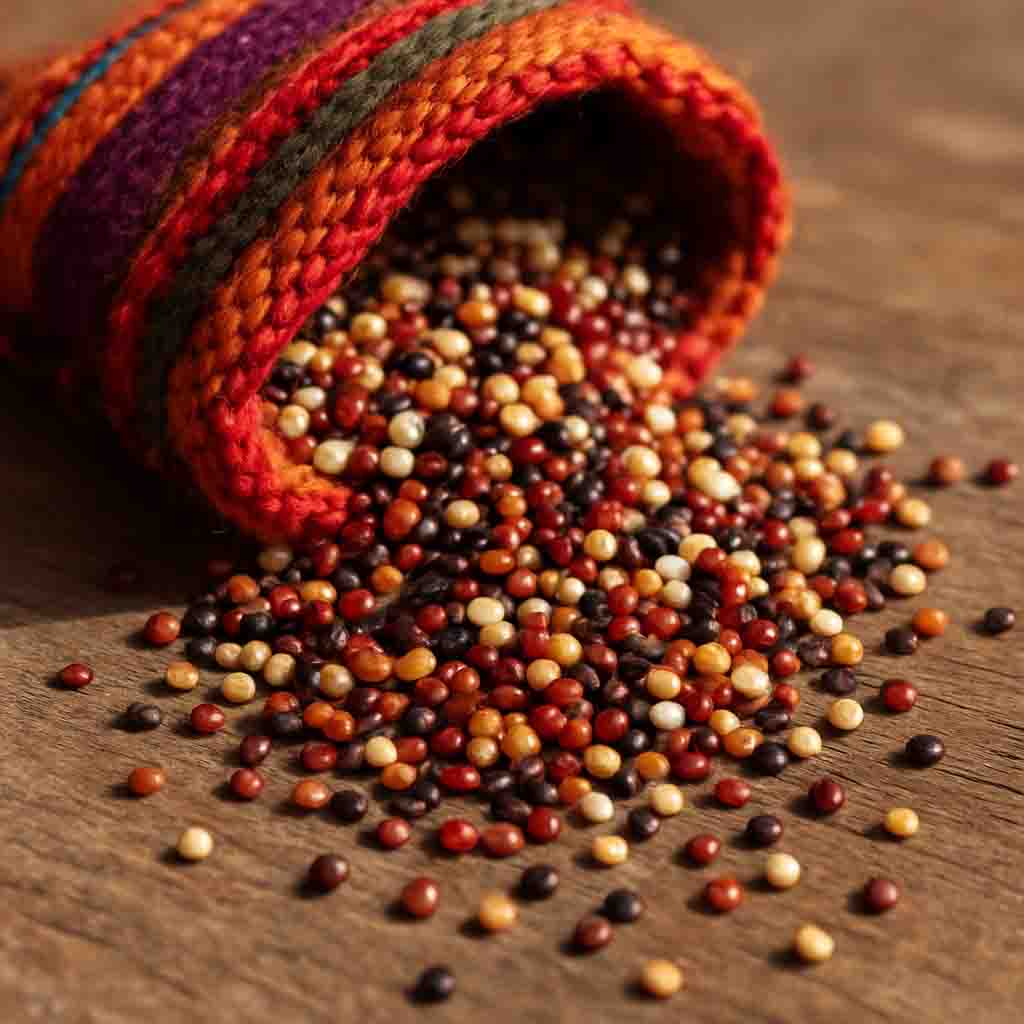
The Rainbow of Quinoa: Understanding Varieties

Common Commercial Varieties
While quinoa comes in over 3,000 varieties, three main types dominate the commercial market:
White/Ivory Quinoa
- Appearance: Pale ivory to yellow color
- Flavor profile: Mildest, slightly nutty taste
- Cooking properties: Cooks the fastest, becomes light and fluffy
- Best uses: All-purpose variety good for most recipes
Red Quinoa
- Appearance: Russet to maroon coloration
- Flavor profile: Richer, nuttier taste with slightly bitter notes
- Cooking properties: Maintains shape better after cooking, more resilient texture
- Best uses: Salads, grain bowls, anytime you want distinct grains
Black Quinoa
- Appearance: Deep black exterior
- Flavor profile: Earthiest, most distinctive flavor with sweeter undertones
- Cooking properties: Takes longest to cook, holds shape well
- Nutritional notes: Contains the highest levels of anthocyanins (antioxidants)
- Best uses: Statement dishes, contrasting color applications
Traditional Andean Varieties
In the Andes, farmers preserve many heirloom varieties not found in international commerce:
- Quinoa Real: The premium variety from Bolivia’s salt flats with large, uniform seeds
- Pasankalla: A red variety traditionally popped like popcorn
- Chullpi: Sweet variety with soft seeds used in traditional dishes
- Witulla: Purple variety with resistance to frost
- Kcoito: Dark brown variety valued for drought resistance
These traditional varieties represent important agricultural biodiversity and often contain unique nutritional properties and flavor profiles. They’re adapted to specific microenvironments within the Andes, from salt flats to high mountain valleys.
Emerging Varieties Beyond the Andes
As quinoa cultivation expands globally, new varieties are being developed for different growing conditions:
- Coastal quinoa: Less bitter varieties adapted to sea-level cultivation
- Plenitude: European variety developed for temperate climates
- Jessup: North American variety with reduced height to prevent lodging
- Cherry Vanilla: A variety with distinctive pink-tinted seeds and mild flavor
These adaptations help reduce pressure on traditional Andean growing regions while making quinoa more accessible to local food systems worldwide.
Explore other nutritionally powerful Andean grains in our guide to Amaranth: The Forgotten Protein Powerhouse
Essential Preparation Techniques
Understanding and Removing Saponins
Quinoa seeds are naturally coated with saponins, bitter compounds that serve as the plant’s natural pest deterrent. While most commercial quinoa is pre-washed to remove saponins, additional rinsing is often beneficial:
Why Saponins Matter
- Bitter taste: Can ruin dishes if not properly removed
- Digestive issues: May cause irritation for some people
- Foaming action: Creates a soapy foam when agitated in water
- Some benefits: Small amounts have antifungal and immune-supporting properties
Effective Rinsing Technique
- Place quinoa in a fine-mesh strainer
- Run cold water over the quinoa while gently rubbing the seeds with your fingers
- Continue until the water runs clear and no longer produces foam
- For particularly bitter varieties, consider soaking for 30 minutes before rinsing
Most modern commercial quinoa has been mechanically processed to remove most saponins, but rinsing remains an important step for optimal flavor.
Traditional vs. Modern Cooking Methods
Traditional Andean Techniques
- Toasting before cooking: Enhances nutty flavor and reduces cooking time
- Stone grinding: Creates quinoa flour for traditional breads
- Popping: Similar to popcorn for snacks and ceremonial foods
- Fermentation: Creating traditional beverages like “chicha”
Modern Basic Cooking Method
- Rinse 1 cup quinoa thoroughly until water runs clear
- Combine with 2 cups water or broth in a saucepan
- Bring to a boil, then reduce to a simmer
- Cover and cook for 15 minutes
- Remove from heat and let stand covered for 5 minutes
- Fluff with a fork before serving
Pressure Cooker/Instant Pot Method
- Rinse quinoa as above
- Combine 1 cup quinoa with 1½ cups liquid in pressure cooker
- Cook at high pressure for 1 minute
- Allow natural pressure release for 10 minutes
- Release remaining pressure and fluff
Rice Cooker Method
- Rinse quinoa thoroughly
- Combine 1 cup quinoa with 2 cups liquid in rice cooker
- Use white rice setting
- Let stand 5 minutes after cycle completes
- Fluff before serving
Testing for Doneness
Properly cooked quinoa displays a visual indicator of doneness:
- The germ (small white spiral) separates and becomes visible
- Seeds appear translucent with an external ring
- Texture should be tender but still slightly firm to the bite (similar to al dente pasta)
- All liquid should be absorbed
Enhancing Flavor During Cooking
Simple additions during cooking can transform quinoa’s flavor profile:
- Toasting: Cook dry quinoa in a pan for 5 minutes before adding liquid
- Aromatics: Add crushed garlic, shallots, or ginger to cooking liquid
- Herbs: Bay leaf, thyme sprigs, or oregano
- Spices: Turmeric, cumin seeds, or coriander
- Cooking liquid: Use vegetable or chicken broth instead of water
- Acidic touches: Add a squeeze of lemon or lime after cooking
- Fat enhancement: Cook with a tablespoon of butter or olive oil added
For advanced preparation techniques, check out our Advanced Andean Cooking Techniques guide
Modern Culinary Applications
Breakfast Applications
Start your day with protein-rich quinoa preparations:
Quinoa Breakfast Porridge
Serves 2 | Preparation time: 5 minutes | Cooking time: 20 minutes
Ingredients:
- 1 cup quinoa, rinsed
- 1 cup water
- 1 cup milk or plant-based alternative
- 1 cinnamon stick
- 2 tablespoons maple syrup or honey
- Pinch of salt
- Toppings: fresh berries, sliced banana, toasted nuts, additional milk
Preparation:
- Combine quinoa, water, milk, cinnamon stick, maple syrup, and salt in a saucepan.
- Bring to a boil, then reduce heat to low and simmer covered for 15-20 minutes until liquid is absorbed.
- Remove from heat, discard cinnamon stick, and let stand covered for 5 minutes.
- Serve with additional milk and desired toppings.
Other Breakfast Ideas
- Overnight quinoa: Similar to overnight oats but with pre-cooked quinoa
- Quinoa pancakes: Add cooked quinoa to pancake batter for texture and protein
- Breakfast hash: Combine with sweet potatoes, peppers, and eggs
- Granola addition: Add puffed quinoa to homemade granola mixtures
- Breakfast bars: Incorporate cooked quinoa into baked breakfast bars
Lunch and Dinner Inspirations
Quinoa’s versatility shines in main meals:
Andean Quinoa Bowl with Avocado and Roasted Vegetables

Serves 4 | Preparation time: 15 minutes | Cooking time: 35 minutes
Ingredients:
- 1 cup quinoa, rinsed
- 2 cups vegetable or chicken broth
- 1 medium sweet potato, diced
- 2 cups broccoli florets
- 1 red bell pepper, sliced
- 1 red onion, sliced
- 3 tablespoons olive oil, divided
- 1 teaspoon ground cumin
- 1 teaspoon smoked paprika
- ½ teaspoon garlic powder
- Salt and pepper to taste
- 2 ripe avocados, sliced
- ¼ cup cilantro, chopped
- 2 tablespoons pumpkin seeds
- Lime wedges for serving
For the dressing:
- 3 tablespoons olive oil
- 2 tablespoons lime juice
- 1 tablespoon honey or maple syrup
- 1 small garlic clove, minced
- ½ teaspoon ground cumin
- Salt and pepper to taste
Preparation:
- Preheat oven to 425°F (220°C).
- Toss sweet potato, broccoli, bell pepper, and red onion with 2 tablespoons olive oil, cumin, paprika, garlic powder, salt, and pepper.
- Spread vegetables on a baking sheet and roast for 25-30 minutes, stirring halfway through.
- Meanwhile, cook quinoa: combine with broth in a saucepan, bring to a boil, reduce heat, cover, and simmer for 15 minutes. Remove from heat and let stand covered for 5 minutes.
- Whisk together all dressing ingredients.
- To assemble: divide quinoa among 4 bowls, top with roasted vegetables, avocado slices, and pumpkin seeds.
- Drizzle with dressing and garnish with cilantro and lime wedges.
Additional Main Meal Ideas
- Stuffed peppers: Use quinoa instead of rice with black beans and corn
- Grain-based salads: Combine with fresh vegetables, herbs, and vinaigrette
- Burger alternative: Create vegetable-quinoa patties with beans for binding
- Stir-fry base: Use in place of rice for nutrient-dense stir-fries
- Taco filling: Mix with beans and spices for plant-based taco filling
Baking with Quinoa
Incorporate quinoa into baked goods for added nutrition:
Quinoa Flour Applications
- Partial wheat replacement: Replace 25-30% of wheat flour in most recipes
- Gluten-free baking: Combine with other gluten-free flours for better structure
- Nutrition booster: Increases protein and mineral content of baked goods
- Flavor notes: Contributes a nutty, slightly grassy flavor that pairs well with nuts, seeds, and warm spices
Whole Grain Applications
- Added texture: Fold cooked quinoa into muffin or quick bread batters
- Binding agent: Use as a partial egg replacement when combined with flax
- Crust ingredient: Add to pie crusts or crumbles for nutritional boost
- Cookie addition: Fold into oatmeal or other drop cookie doughs
Quinoa Flour Banana Bread
Makes 1 loaf | Preparation time: 15 minutes | Baking time: 55-60 minutes
Ingredients:
- 1 cup all-purpose flour
- ½ cup quinoa flour
- 1 teaspoon baking soda
- ½ teaspoon salt
- ½ teaspoon cinnamon
- ¼ teaspoon nutmeg
- 3 very ripe bananas, mashed
- ½ cup plain yogurt or plant-based alternative
- ⅓ cup melted coconut oil or butter
- ¾ cup coconut sugar or brown sugar
- 2 large eggs
- 1 teaspoon vanilla extract
- ½ cup walnuts or pecans, chopped (optional)
Preparation:
- Preheat oven to 350°F (175°C) and grease a 9×5 inch loaf pan.
- In a medium bowl, whisk together all-purpose flour, quinoa flour, baking soda, salt, cinnamon, and nutmeg.
- In a large bowl, mix mashed bananas, yogurt, oil, sugar, eggs, and vanilla until well combined.
- Fold dry ingredients into wet ingredients just until combined. Do not overmix.
- Fold in nuts if using.
- Pour batter into prepared pan and bake for 55-60 minutes, until a toothpick inserted in center comes out clean.
- Cool in pan for 10 minutes, then remove to wire rack to cool completely.
For more baking applications, see our Andean Grains in Modern Baking guide
Quinoa Beyond the Grain: Other Uses
Quinoa Leaves as a Nutritious Green
While less common outside the Andes, quinoa leaves (known as “llipcha” in Quechua) are traditionally consumed as a nutritious green vegetable:
- Nutritional profile: Rich in vitamin A, vitamin C, and minerals
- Cooking methods: Prepared similar to spinach—steamed, sautéed, or added to soups
- Flavor profile: Mild with slight mineral notes, similar to spinach or chard
- Modern applications: Beginning to appear in some specialty markets and farm-to-table restaurants
- Growing your own: Young quinoa plants can be harvested for microgreens
Sprouted Quinoa
Sprouting quinoa enhances its nutritional profile and digestibility:
Sprouting Method
- Rinse 1 cup quinoa thoroughly
- Soak in water for 8-12 hours
- Drain and place in a sprouting jar or on a tray lined with damp paper towels
- Rinse twice daily and drain thoroughly
- Sprouts will appear within 24-48 hours
- Use when sprout tails are about the same length as the seed
Benefits of Sprouting
- Increased enzyme activity: Activates dormant enzymes
- Enhanced digestibility: Reduces phytic acid that can inhibit mineral absorption
- Increased vitamin content: Particularly B vitamins and vitamin C
- Softer texture: Can be consumed with minimal or no cooking
Culinary Uses for Sprouted Quinoa
- Raw in salads: Adds crunch and nutrition
- Lightly toasted: Creates a nutty flavor for toppings
- Added to smoothies: Boosts protein content
- Bread recipes: Fold into doughs for added nutrition and texture
- Quicker cooking: Requires less cooking time than unsprouted quinoa
Quinoa in Beauty and Wellness Products
The same properties that make quinoa nutritious also make it valuable in wellness applications:
- Exfoliation: Ground quinoa seeds used in facial and body scrubs
- Hair care: Protein-rich quinoa extract in strengthening hair products
- Skin soothing: Saponins have natural cleansing properties
- Anti-aging applications: Antioxidants help protect skin from environmental damage
- Protein treatments: Quinoa protein used in restorative treatments
For more wellness applications of Andean superfoods, see our Natural Healing: Andean Herbs and Remedies guide
Sustainability and Ethical Considerations

The Global Quinoa Boom: Impacts and Concerns
The dramatic increase in global quinoa consumption since the early 2000s has created both opportunities and challenges:
Economic Impacts
- Income increases: Many Andean farmers have seen substantial income growth
- Price fluctuations: Initial price spikes followed by stabilization as production expanded
- New market access: Direct relationships with international buyers
- Value-added processing: Development of local processing facilities
- Tourism opportunities: Culinary tourism focused on traditional Andean foods
Environmental Considerations
- Land use changes: Expansion into new areas previously used for other crops or grazing
- Soil impacts: Concerns about soil depletion with intensive monocropping
- Genetic diversity: Risk of commercial varieties displacing traditional ones
- Climate change resilience: Quinoa offers drought resistance important for future food security
- Water usage: Generally requires less irrigation than many commercial crops
Social and Cultural Considerations
- Food access concerns: Initial fears that locals could no longer afford quinoa (largely disproven)
- Cultural preservation: Renewed interest in traditional knowledge and farming practices
- Indigenous recognition: Increased visibility for indigenous Andean communities
- Biopiracy concerns: Questions about intellectual property rights for traditional crop varieties
- Rural development: New opportunities to revitalize rural economies
Supporting Sustainable Quinoa
Conscientious consumers can support sustainable quinoa production through:
Look for Meaningful Certifications
- Fair Trade: Ensures fair compensation and working conditions
- Organic: Verifies production without synthetic pesticides
- Direct Trade: Indicates closer relationships between producers and buyers
- Biodiversity programs: Some brands specifically support heirloom variety preservation
Support Andean Producer Initiatives
- Cooperative brands: Products from farmer-owned cooperatives
- Indigenous-owned businesses: Companies owned by Andean indigenous communities
- Transparency in sourcing: Brands that openly share their supply chain information
- Reinvestment programs: Companies that return profits to growing communities
Diversify Your Andean Grain Consumption
- Try other Andean grains: Kañiwa, kiwicha (amaranth), and tarwi
- Rotate purchases: Diversify demand to prevent overreliance on quinoa
- Appreciate variety: Choose different colors and varieties of quinoa
- Learn the stories: Select brands that share producer stories and traditions
For deeper exploration of ethical sourcing, see our From Field to Table: The Journey of Andean Superfoods article
Growing Your Own Quinoa
For gardeners in suitable climates, growing quinoa can be a rewarding experience:
Climate and Growing Requirements
- Temperature preference: Cool weather crop that struggles in high heat
- Growing season: Requires 90-120 days frost-free
- Altitude adaptability: Traditionally grown at high elevations but adaptable to various altitudes
- Drought tolerance: Relatively drought-resistant once established
- Sunlight needs: Full sun preferred
- Soil requirements: Well-draining soil, tolerates poor soil
Basic Growing Instructions
- Timing: Plant after risk of frost has passed when soil temperatures reach 60°F (15°C)
- Spacing: Plant seeds ¼ inch deep, 4-6 inches apart, in rows 24 inches apart
- Thinning: Thin seedlings to 12-18 inches apart when 4-6 inches tall
- Water needs: Keep soil moist until established, then water deeply but infrequently
- Fertilization: Light application of balanced fertilizer at planting time
- Pest management: Few pest problems; watch for aphids and leaf miners
- Harvest timing: When seeds are hard and leaves have fallen
Harvesting Home-Grown Quinoa
- Seed heads: Cut entire seed heads when seeds resist denting with a fingernail
- Drying: Hang upside down in a dry location with good air circulation for 1-2 weeks
- Threshing: Rub dried seed heads between hands or beat gently to release seeds
- Winnowing: Separate chaff by pouring seeds from one container to another on a windy day
- Saponin removal: Rinse thoroughly before use to remove bitter saponins
Seed Saving Considerations
- Isolation distance: 200 feet from other quinoa varieties to prevent cross-pollination
- Population size: Save seeds from at least 40 plants for genetic diversity
- Selection criteria: Choose plants with desirable traits (early maturity, seed retention)
- Storage: Store seeds in cool, dry conditions for up to 4 years
For gardening with other Andean plants, see our Growing Andean Superfoods at Home guide
Quinoa in Special Diets
Quinoa for Plant-Based Diets
Quinoa serves as a nutritional cornerstone for plant-based eaters:
- Complete protein: Provides all essential amino acids without animal products
- Iron source: Contains non-heme iron important for vegetarians and vegans
- Zinc content: Offers this mineral often lacking in plant-based diets
- B-vitamin source: Contains several B vitamins including small amounts of B12 precursors
- Omega-3 fatty acids: Contains alpha-linolenic acid (ALA), a plant-based omega-3
Protein Complementation
While quinoa is complete on its own, combining it with other plant proteins creates optimal amino acid profiles:
- Quinoa + legumes: Creates protein synergy and balanced amino acids
- Quinoa + nuts/seeds: Adds healthy fats and additional minerals
- Quinoa + nutritional yeast: Boosts B-vitamin content and adds umami flavor
Quinoa for Gluten-Free Diets
For those with celiac disease or gluten sensitivity, quinoa offers:
- Naturally gluten-free: Safe for celiac disease when processed in gluten-free facilities
- Flour alternative: Can be used in gluten-free baking blends
- Nutritional advantages: More nutritionally complete than many gluten-free grains
- Texture benefits: Provides satisfying chew often missing in gluten-free foods
- Versatility: Can replace wheat in many traditional recipes
Important note: While quinoa is botanically gluten-free, those with severe celiac disease should choose products certified gluten-free to avoid cross-contamination during processing.
Quinoa for Athletic Performance
Athletes increasingly turn to quinoa for performance nutrition:
- Balanced macronutrients: Provides carbohydrates, protein, and small amounts of fat
- Sustained energy: Complex carbohydrates offer extended energy release
- Recovery support: Protein content aids muscle recovery
- Micronutrient density: Supports overall function and recovery
- Digestibility: Generally well-tolerated before athletic events
For specific performance applications, see our Andean Superfoods for Plant-Based Athletes guide
Conclusion: Embracing the Mother Grain
Quinoa represents far more than a trendy superfood—it embodies thousands of years of agricultural wisdom, cultural significance, and nutritional excellence. From the ancient fields surrounding Lake Titicaca to modern kitchens worldwide, this remarkable seed continues to nourish and sustain.
As you incorporate quinoa into your own culinary repertoire, consider not just its impressive nutritional profile but the rich heritage it carries. By choosing sustainably grown quinoa, preparing it with care, and exploring its diverse culinary applications, you participate in a food tradition that has sustained Andean peoples for millennia.
Whether you’re drawn to quinoa for its nutritional benefits, culinary versatility, cultural significance, or environmental resilience, this remarkable food offers something valuable. We encourage you to experiment with different varieties, preparation methods, and recipes as you discover your own relationship with the mother grain.
Key Takeaways
- Nutritional excellence: Complete protein, mineral richness, and fiber content make quinoa a nutritional standout
- Culinary versatility: From breakfast to dessert, quinoa adapts to countless culinary applications
- Cultural significance: Understanding quinoa’s sacred status enriches appreciation for this ancient food
- Preparation techniques: Proper rinsing and cooking methods transform quinoa from good to exceptional
- Sustainability awareness: Conscious consumer choices support ethical quinoa production
- Variety exploration: Experimenting with different colors and varieties reveals subtle flavor and texture differences
Ready to explore more Andean superfoods? Return to our Complete Guide to Andean Superfoods to discover other nutritional treasures from this remarkable region.
Related Resources
Sacred Foods: The Spiritual Significance of Andean Superfoods
Complete Guide to Andean Superfoods
Amaranth: The Forgotten Protein Powerhouse
7-Day Andean Superfood Meal Plan