
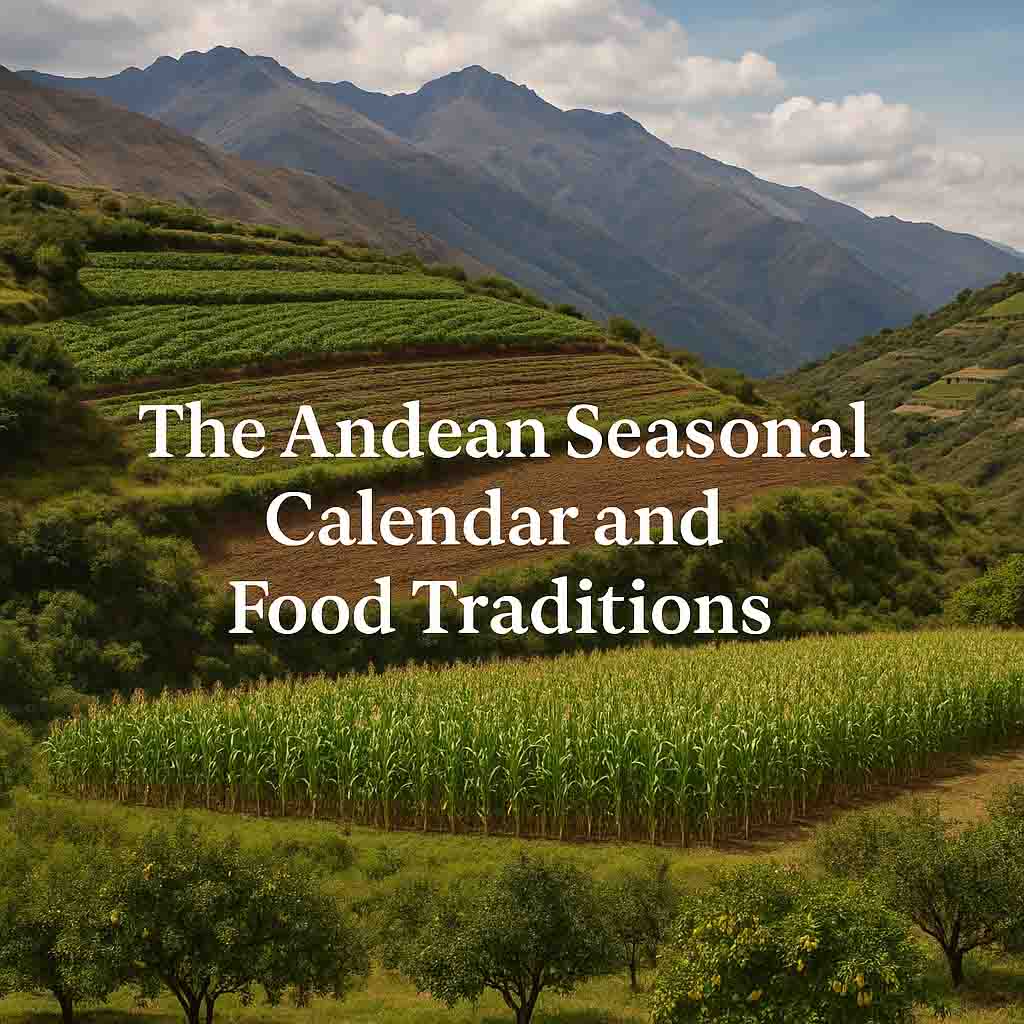
The Andean Seasonal Calendar and Food Traditions (2025)

“In the Andes, time is not linear but cyclical. Every season brings its own wisdom, and each harvest teaches us to live in harmony with the Earth.” — Traditional Andean saying
Introduction
High in the majestic Andean mountains, indigenous communities have developed a profound relationship with their environment over thousands of years. This relationship is embodied in the Andean seasonal calendar—a sophisticated system that synchronizes agricultural activities, culinary traditions, and cultural celebrations with the natural rhythms of the Earth. Unlike the Western four-season model, the Andean calendar recognizes subtle shifts in climate patterns, astronomical events, and ecological indicators that guide planting, harvesting, and food preparation throughout the year.
Research from the International Potato Center in Peru reveals that traditional Andean farmers can identify over 30 distinct microclimates and environmental indicators that inform their agricultural decisions—a knowledge system refined over generations. This intimate understanding of seasonality doesn’t just ensure agricultural success; it shapes a culinary tradition that emphasizes eating in harmony with nature’s cycles for optimal nutrition and sustainability.
This guide explores the Andean seasonal calendar and its profound influence on food traditions, offering insights into how these ancient practices can enrich modern approaches to cooking and nutrition.
The Structure of the Andean Agricultural Calendar
The traditional Andean agricultural calendar divides the year into two major seasons: the dry season (tiempo de secas or ch’aki pacha in Quechua) and the rainy season (tiempo de lluvias or paray pacha). However, within these broader divisions exist numerous smaller periods marked by specific astronomical events, weather patterns, and ecological indicators.
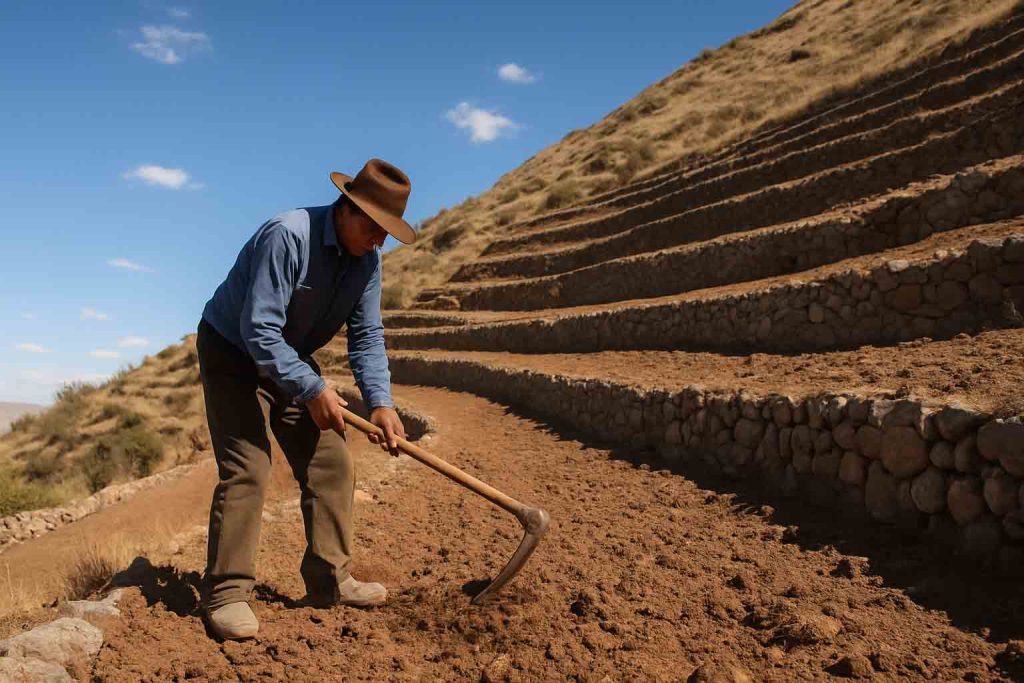
Key Periods in the Andean Calendar:
- Preparation Time (April-August): The dry season when soil is prepared, terraces are maintained, and planning for the agricultural cycle begins.
- Planting Time (September-November): The beginning of the rainy season marks the time for sowing seeds, with specific dates determined by observing natural indicators and celestial events.
- Growing Time (December-February): The height of the rainy season when crops develop, requiring careful tending and protection.
- Early Harvest (March-April): When certain fast-growing crops and early varieties are harvested.
- Main Harvest (May-June): The principal harvest period for staple crops like potatoes, quinoa, and corn.
The Andean calendar is not simply marked by dates but by observing natural phenomena. Farmers watch for specific bird migrations, insect appearances, plant flowerings, and star positions to determine the optimal times for agricultural activities.
Learn more about traditional ecological indicators in our guide to Andean Bioindicators →
Astronomical Foundations of the Andean Calendar
The agricultural calendar in the Andes is deeply connected to astronomical observations. Traditional Andean cultures developed sophisticated understanding of celestial movements that informed their agricultural practices.

Solar Observations
Two major solar events anchor the Andean calendar:
- Inti Raymi (June Solstice): Marking the beginning of the agricultural year, this celebration honors Inti, the sun god, at the winter solstice in the Southern Hemisphere. Traditional communities gather at sacred sites like Sacsayhuamán near Cusco to observe the sun’s position and perform rituals for a bountiful year.
- Capac Raymi (December Solstice): The summer solstice in the Southern Hemisphere coincides with the early growing season and is celebrated with ceremonies to ensure healthy crop development.
Stellar Indicators
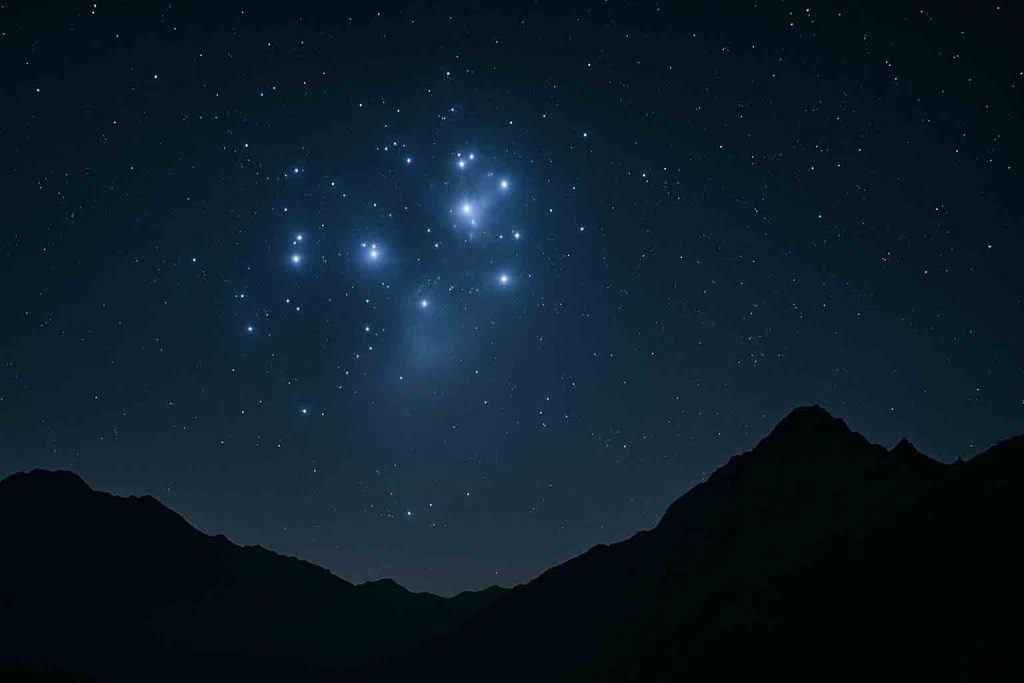
The appearance of specific star clusters guides agricultural timing:
- The Pleiades (Quechua: Collca): The visibility and brightness of this star cluster in early June is traditionally used to predict rainfall patterns for the coming season. Clear, bright Pleiades indicate a good agricultural year, while dim appearance