
Inner Alchemy: Ancient Andean Techniques for Body & Spirit Transformation

In the towering peaks of the Andes, where oxygen thins and the stars seem close enough to touch, ancient wisdom keepers have practiced transformative techniques for thousands of years. These methods—collectively known as Inner Alchemy—offer profound insights into how we can purify, energize, and harmonize our bodies and spirits in today’s fast-paced world.
Unlike quick-fix wellness trends, Andean Inner Alchemy represents a complete system of transformation developed across generations by people living in harmony with one of Earth’s most challenging environments. These practices have enabled Andean communities to thrive at elevations where oxygen is scarce and conditions are extreme, developing extraordinary resilience and vitality in the process.
This comprehensive guide will introduce you to authentic Andean transformative techniques that you can integrate into your modern life. Whether you’re seeking physical renewal, emotional balance, increased energy, or spiritual connection, these time-tested methods offer a natural approach to whole-person transformation.
Table of Contents
The Origins of Andean Inner Alchemy
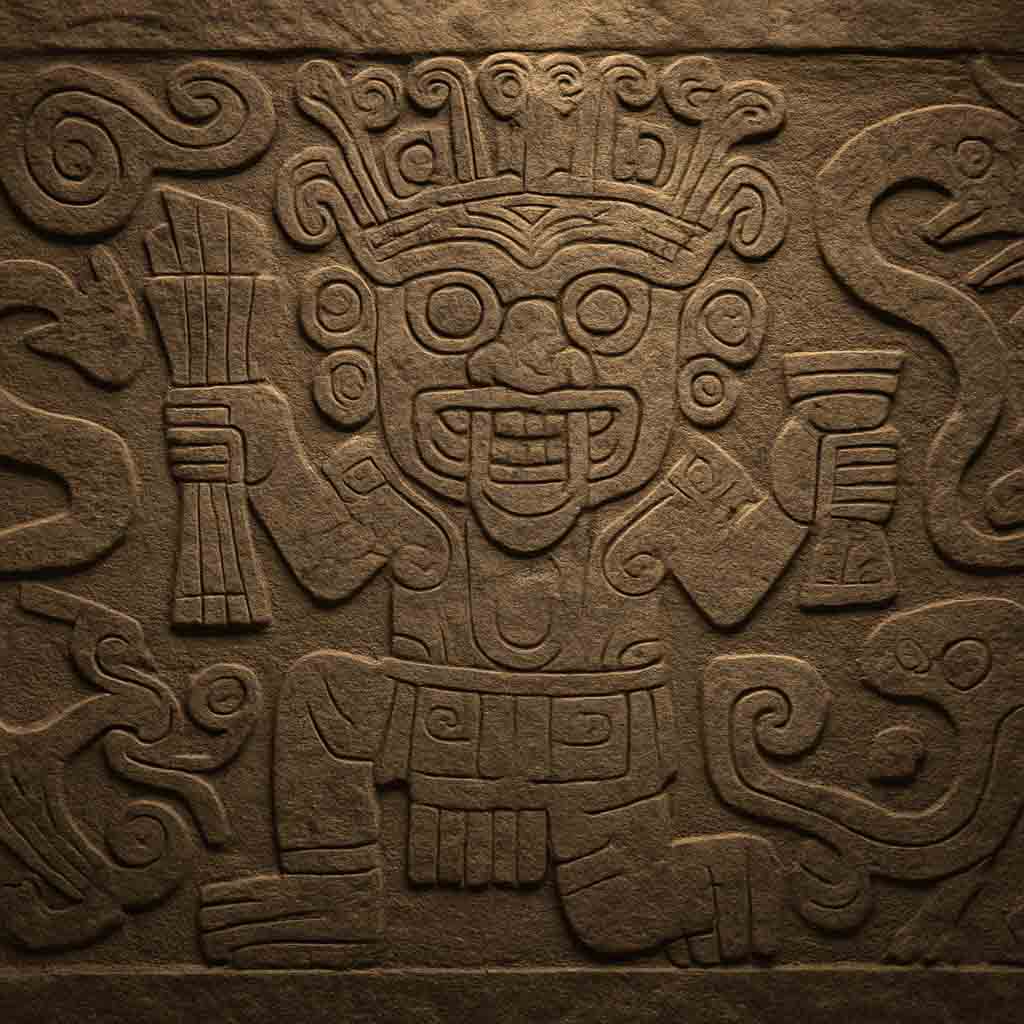
The concept of inner transformation has deep roots in Andean culture, predating even the rise of the Inca Empire. Archaeological evidence from sites like Chavín de Huantar (dating to 1200 BCE) shows that purification rituals and ceremonial transformation practices were central to Andean spiritual life long before European contact.
What makes Andean alchemical traditions unique is their profound connection to mountain environments. Living at elevations between 8,000-14,000 feet above sea level, Andean peoples developed specific practices to address the physiological challenges of high-altitude living while honoring the spiritual significance of their mountainous homeland.
The foundation of Andean Inner Alchemy rests on several key philosophical principles:
- Reciprocity (Ayni): The understanding that transformation requires balanced exchange between body, nature, and cosmos
- Complementary Duality (Yanantin): The integration of seemingly opposite forces to create wholeness
- Living Energy (Kawsay): The recognition that all things contain animate life force that can be cultivated and directed
- Sacred Geography (Pachamama): The understanding that the earth itself is a living being whose energies support transformation
Traditional Andean cosmology views humans as existing at the center of three worlds: the upper world (Hanan Pacha) of celestial and spiritual forces, the middle world (Kay Pacha) of earthly existence, and the lower world (Ukhu Pacha) of inner earth energies and ancestral connections. True transformation occurs when a person achieves harmony between all three realms.
Regional variations in alchemical practices exist throughout the Andes, from the Q’ero traditions of Peru to the Kallawaya healing systems of Bolivia. While specific techniques may differ, the core understanding of transformation as a holistic process involving physical, energetic, emotional, and spiritual dimensions remains consistent.
The Physical Dimension: Body Transformation

The physical body serves as the foundation for all transformative work in Andean traditions. Without a purified and balanced physical vessel, more refined energetic and spiritual transformations cannot take root.
Traditional Cleansing Practices
Andean cleansing begins with the understanding that environmental toxins, emotional residue, and energetic imbalances accumulate in the physical body, creating blockages to vibrant health. Several primary methods address this:
Seasonal Detoxification Rituals
In traditional Andean communities, major cleansing practices align with solar cycles, particularly the solstices and equinoxes. The most intensive purification typically occurs during the spring equinox (September in the Southern Hemisphere), marking renewal after winter.
A traditional spring cleansing might include:
- Fasting or dietary simplification for 1-3 days
- Consumption of specific bitter herbs that activate the liver
- Drinking abundant quantities of mountain spring water
- Physical movement to stimulate circulation and lymphatic flow
- Sweating practices to release toxins through the skin
Modern adaptation: Begin each season with a simplified diet for three days, emphasizing fresh vegetables, lean proteins, and plenty of water while eliminating processed foods, sugar, alcohol, and caffeine.
Fasting Protocols
Intermittent food restriction plays an important role in Andean cleansing traditions. Rather than complete abstention from food, traditional fasting often involves:
- Mono-diets of specific cleansing foods like quinoa or amaranth
- Liquid-only periods consuming herbal infusions and broths
- Dawn-to-dusk fasting during specific ceremonial days
- Elimination of salt, sugar, and stimulants during cleansing periods
Expert insight: “When we temporarily simplify what we consume, we create space for the body’s innate intelligence to heal and rebalance itself. This is not about deprivation but about conscious renewal.” — Elena Pinto, Andean healing practitioner
Purification Elements
The four elements—earth, water, fire, and air—each play specific roles in physical purification:
Water Purification
Sacred springs, lakes, and rivers feature prominently in Andean purification rituals. Water is understood to have the power to dissolve and carry away both physical and energetic impurities.
Traditional water practices include:
- Ritual bathing in sacred springs, especially at dawn
- Drinking specific waters known for their mineral content and healing properties
- Using flowing water to carry away negative energies
- Cold water immersion to stimulate circulation and immune response
Modern adaptation: Begin each morning with a glass of room temperature water with fresh lemon juice to stimulate digestion and detoxification pathways.
Fire Ceremonies
Fire transforms through its ability to rapidly change form. In Andean traditions, fire ceremonies serve to:
- Transmute dense energies into lighter forms
- Release stagnant patterns that no longer serve
- Activate metabolic processes within the body
- Clear environmental spaces of accumulated energies
Earth-Based Methods
Clay, mud, and soil applications are traditional detoxifying agents that:
- Draw impurities from the body through the skin
- Provide minerals that support cellular function
- Ground excessive energy and calm the nervous system
- Connect the physical body with earth energies
Practical Application: Daily Cleansing Ritual
This simple five-minute morning practice incorporates traditional Andean cleansing principles:
- Upon waking, scrape your tongue with a tongue cleaner to remove accumulated toxins
- Drink a glass of room temperature water with a squeeze of lemon
- Perform three rounds of deep breathing: inhale for 4 counts, hold for 4, exhale for 8
- Gently tap your body from feet to head with your fingertips to stimulate circulation
- Set a specific intention for physical renewal during the day ahead
The Energetic Dimension: Vitality Cultivation
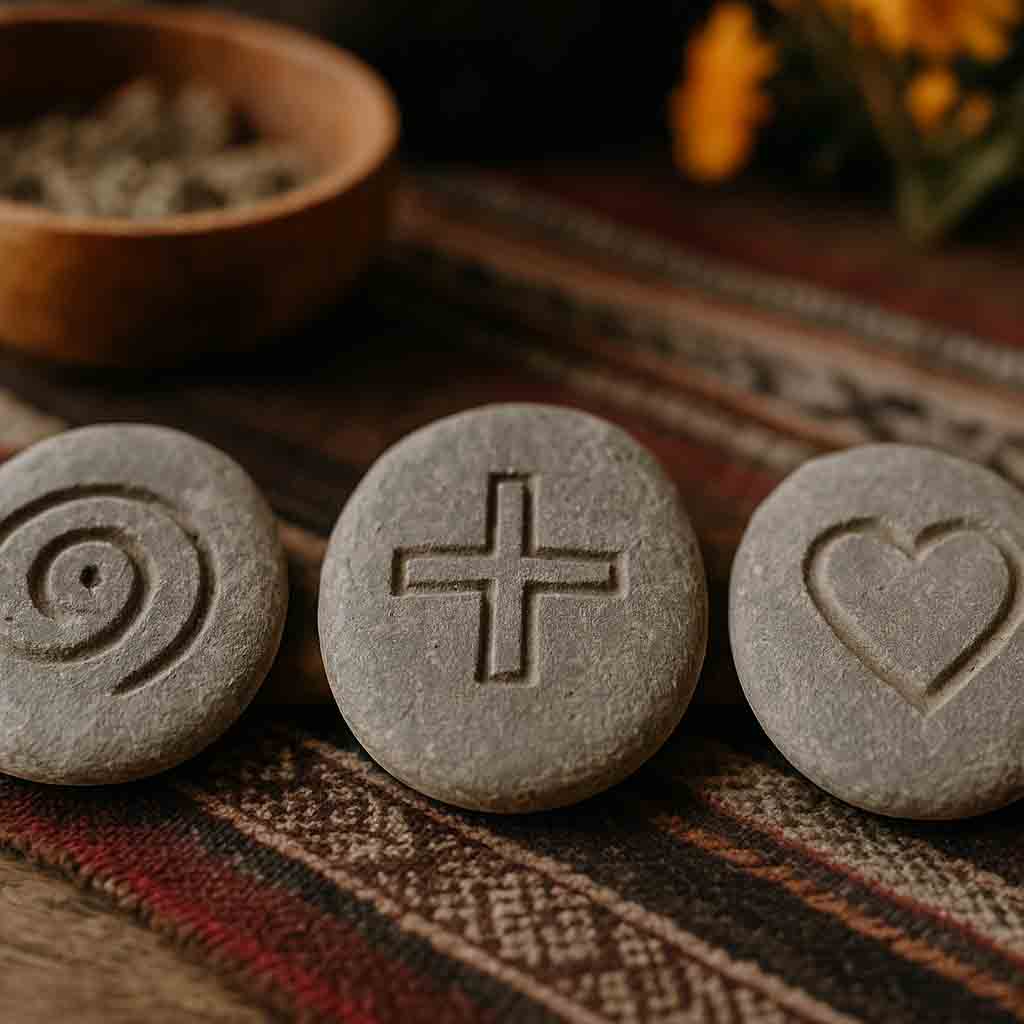
After physical purification, Andean Inner Alchemy focuses on cultivating and directing vital energy. In Andean traditions, this life force—called “kawsay”—flows through all living things and can be harnessed for transformation and healing.
Understanding Vital Energy
The Andean concept of vital energy differs somewhat from Eastern systems like Chinese qi or Indian prana, though parallels exist. Kawsay is understood as:
- The animate essence that gives life to all beings
- A force that exists in varying densities and qualities
- Energy that can be heavy (hucha) or refined (sami)
- A power that connects humans with nature, cosmos, and community
The Andean energy body includes several key centers similar to chakras in other traditions, though with specific mountain-related correspondences. These include:
- Ñawi: Located at the center of the forehead, connecting to celestial energies and vision
- Sonqo: The heart center, bridging upper and lower energies
- Qosqo: The navel center, seat of personal power and will
- Uku Pacha: The earth connection point at the base of the spine
Signs of energetic imbalance in Andean understanding include chronic fatigue, emotional volatility, mental confusion, weakened immunity, and disconnection from purpose.
Cultivation Techniques
High-Altitude Breathing Methods
Living at extreme elevations, Andean peoples developed specific breathing techniques to maximize oxygen efficiency and energy generation:
Wayra Samay (Wind Breath):
- Sit comfortably with a straight spine
- Inhale slowly through the nose for 4 counts, feeling the breath reach the lower abdomen
- Hold the breath for 4 counts, visualizing oxygen saturating your cells
- Exhale through slightly pursed lips for 8 counts, completely emptying the lungs
- Repeat for 5-10 minutes daily
This practice increases oxygen efficiency—a critical adaptation at high altitudes—while simultaneously calming the nervous system and concentrating vital force.
Movement Practices for Energy Activation
Traditional Andean energy cultivation includes specific movements that:
- Circulate vital force through areas of stagnation
- Synchronize physical movement with breath patterns
- Connect the individual with elemental and cosmic energies
- Build core strength and flexibility
One foundational practice is the Mountain Standing Posture:
- Stand with feet shoulder-width apart, knees slightly bent
- Allow your weight to sink into your feet, feeling connection with the earth
- Gently rock forward and backward, finding your center point
- Raise your arms to the side and slightly upward, palms facing forward
- Hold this position for 3-5 minutes, breathing deeply into your lower abdomen
- Visualize drawing energy up from the earth through your feet and down from the sky through your hands, meeting at your heart center
This practice grounds excessive energy while simultaneously drawing in fresh vitality—a balance particularly important in high-altitude environments where energy patterns can become erratic.
Rest and Restoration in Andean Tradition
Contrary to our modern glorification of constant activity, traditional Andean wisdom emphasizes the critical importance of deep rest for energy cultivation.
Traditional rest practices include:
- Mid-day pauses during peak sun hours
- Seasonal reduction of activity during winter months
- Dreamwork during specific lunar phases
- Regular communion with nature in places of power
Case Study: Energy Renewal
María, a 42-year-old teacher, began incorporating Andean breathing and movement practices into her daily routine after experiencing chronic fatigue for over two years. “Modern medicine couldn’t find anything specifically wrong,” she explains, “but I had no energy for my work or family.”
After three months of daily practice, María reports: “The change has been remarkable. I have steady energy throughout the day without relying on caffeine. More surprisingly, I’m sleeping better than I have in years and waking refreshed. The practices take just 15 minutes each morning, but they’ve transformed my relationship with energy.”
The Spiritual Dimension: Inner Harmony

In Andean cosmology, spiritual transformation doesn’t require separation from physical life—instead, it emerges through right relationship with the living world. The spiritual dimension of Inner Alchemy focuses on harmonizing personal consciousness with broader webs of connection.
Spiritual Integration Practices
Connection with Mountain Spirits (Apus)
The great mountain peaks of the Andes are understood not merely as geological formations but as conscious beings (Apus) with whom humans can establish reciprocal relationships. These mountain deities represent:
- Ancestral wisdom and protection
- Stability and perspective
- The integration of earth and sky energies
- Guardianship of traditional knowledge
Traditional practices for connecting with the Apus include:
- Making offerings (despachos) containing symbolic elements
- Pilgrimages to specific mountain sites
- Requesting guidance through ceremonial communication
- Expressing gratitude for protection and insight
Modern adaptation: Find a place in nature with elevation—even a small hill will do. Sit quietly facing the high point, breathing deeply. Bring a small offering (flowers, cornmeal, or clear intentions). Ask for perspective on a current challenge in your life, then listen receptively for insights that arise.
Relationship with Earth Energy (Pachamama)
Pachamama—often translated as “Mother Earth”—represents the animate Earth consciousness that sustains all life. Connecting with Pachamama involves:
- Regular offerings of gratitude for sustenance
- Mindful harvesting of plants with permission and thanks
- Ceremonial recognition of Earth’s cycles and seasons
- Direct physical contact with the land through barefoot walking, lying on the earth, or gardening
Celestial Alignments
The sun (Inti), moon (Killa), and stars (particularly the Pleiades constellation) play important roles in Andean spiritual practice. Celestial alignments mark:
- Optimal times for specific transformational practices
- Agricultural cycles for planting and harvesting
- Community ceremonies and celebrations
- Personal initiation periods
Consciousness Expansion
Dreaming Practices
Dreams are considered a primary avenue for spiritual insight in Andean traditions. Dreamwork includes:
- Incubating specific questions before sleep
- Recording and working with dream symbols
- Distinguishing between ordinary dreams and visionary guidance
- Using certain plants and stones to enhance dream clarity
Integration Exercise: Sacred Space Creation
This practice helps establish a personal connection with spiritual dimensions:
- Choose a small area in your home to designate as sacred space
- Cleanse the area with smoke from sacred herbs or essential oils
- Place representations of the elements: a stone (earth), a candle (fire), a feather (air), and a small bowl of water
- Add objects that connect you with natural cycles: seeds, flowers, crystals
- Spend 5-10 minutes daily in this space, simply being present and receptive
- Periodically refresh the elements and make small offerings of gratitude
The Emotional Dimension: Heart Alchemy

Emotional transformation represents a crucial aspect of Andean Inner Alchemy, viewed as neither separate from nor less important than spiritual work. Traditional understanding recognizes emotions as energetic currents that, when properly channeled, become powerful catalysts for growth.
Emotional Understanding
The Andean perspective views emotions as:
- Natural energetic responses to life experiences
- Information carriers about internal and external conditions
- Forces that can either stagnate or flow
- Connectors between personal experience and collective fields
Rather than labeling emotions as “positive” or “negative,” traditional wisdom focuses on whether emotional energies are flowing or stuck. Emotional health is characterized by appropriate responsiveness followed by natural release, while emotional imbalance manifests as either suppression or fixation.
Signs of emotional imbalance in the Andean tradition include:
- Physical symptoms specifically linked to emotional states
- Recurring emotional patterns that resist change
- Inability to access certain emotional registers
- Emotional responses disproportionate to current circumstances
Transformation Techniques
Ritual Release Practices
Specific ceremonies help release accumulated emotional patterns:
Stone Release (Rumimanta):
- Find a small stone that fits comfortably in your palm
- Hold the stone while focusing on an emotional pattern you wish to release
- Breathe into the emotion, allowing it to fully arise
- With intention, transfer the emotional energy into the stone
- Thank the stone for its assistance
- Return the stone to a moving body of water or bury it in the earth with gratitude
Fire Transformation: For emotions requiring more intensive release, writing the pattern on paper and ceremonially burning it while visualizing transformation is a traditional practice.
Community Support
Unlike modern individualistic approaches to emotional healing, Andean traditions recognize the essential role of community in emotional transformation. Traditional practices include:
- Ceremonial sharing circles where emotions are witnessed without judgment
- Community rituals marking life transitions and their associated emotional shifts
- Intergenerational guidance for navigating emotional challenges
- Reciprocal emotional support as a community responsibility
Nature-Based Emotional Renewal
Specific natural environments are traditionally associated with emotional transformation:
- Flowing water helps dissolve grief and sadness
- Open vistas assist in releasing fear and gaining perspective
- Forests and dense vegetation support processing anger through their ability to absorb and transform intense energy
- Stone formations help stabilize volatile emotions through their grounding presence
Practical Tool: Heart-Centered Emotional Practice
This simple daily practice supports emotional fluidity:
- Place your hands over your heart center
- Breathe deeply, allowing your awareness to rest in your heart
- Ask: “What emotion needs acknowledgment today?”
- Without judgment, allow the emotion to arise and be felt
- Breathe with the sensation for 1-2 minutes
- Express gratitude to yourself for this awareness
Transformative Nutrition: The Alchemy of Food

In Andean traditions, food is never merely fuel—it represents a sacred exchange of energy between human, plant, animal, and cosmic domains. Transformative nutrition practices honor food as medicine, teacher, and connector.
Alchemical Foods
Traditional Superfoods
Long before “superfoods” became a marketing term, Andean peoples cultivated remarkably nutrient-dense foods specifically for their transformative properties:
Quinoa (Kinwa) – Considered the “mother grain,” this complete protein supports:
- Blood building and strength
- Brain function and clarity
- Sustained energy without spikes
- Gentle detoxification
Maca (Maka) – This adaptogenic root traditionally supports:
- Hormonal balance
- Energy and stamina
- Resilience to environmental stress
- Spiritual openness
Cacao (Kakaw) – Beyond its nutritional benefits, ceremonial cacao:
- Opens the heart center
- Enhances meditative awareness
- Supports emotional processing
- Connects the physical and spiritual realms
Sacred Plants
Certain plants are traditionally used specifically for their transformative rather than nutritional properties:
Coca (Kuka) – Sacred leaf used for:
- Ceremonial connection with mountain spirits
- Enhancing respiratory capacity at high altitudes
- Divination and insight
- Digestive harmony
Note: Traditional coca leaf is distinct from processed cocaine and is legal in several Andean countries for traditional use.
Muña – This mountain mint relative supports:
- Respiratory clarity
- Digestive transformation
- Spiritual purification
- Protection from negative energies
Ceremonial Consumption
The how of eating holds equal importance to what is eaten in Andean traditions:
Mindful Eating Practices
Traditional consumption involves:
- Acknowledging the source of each food
- Expressing gratitude before eating
- Maintaining present awareness while consuming
- Recognizing food as a direct connection to Pachamama
Food Preparation as Ritual
Traditional preparation methods enhance both nutritional and energetic qualities:
- Activation of seeds and grains through sprouting
- Fermentation to enhance digestibility and nutrient availability
- Slow cooking methods that preserve vital energies
- Combination of foods according to energetic principles
- Preparation with conscious intention and gratitude
Seasonal Eating for Transformation
Andean traditions emphasize aligning diet with natural cycles:
- Spring focuses on bitter greens and young plants to support detoxification
- Summer incorporates cooling foods that balance intense solar energy
- Autumn emphasizes root vegetables and grounding foods for stability
- Winter includes more warming foods and nutrient-dense preservation methods
Recipe: Traditional Quinoa Soup for Transformation
This simple recipe incorporates authentic Andean principles of transformative nutrition:
Ingredients:
- 1 cup quinoa, rinsed thoroughly
- 8 cups water or vegetable broth
- 1 small onion, diced
- 2 cloves garlic, minced
- 1 red bell pepper, diced
- 1 cup chopped vegetables (carrots, celery, potatoes)
- 1 tablespoon dried oregano
- 1 teaspoon ground cumin
- Fresh herbs like cilantro or huacatay (Andean mint)
- Salt to taste
Preparation:
- Before beginning, take a moment to express gratitude for each ingredient
- Sauté onion and garlic in a small amount of oil until translucent
- Add quinoa and toast lightly for 2-3 minutes, stirring constantly
- Add water or broth, vegetables, and spices
- Simmer until quinoa displays its characteristic spiral and vegetables are tender
- Top with fresh herbs before serving
- Before eating, pause to acknowledge the nourishment this food provides
This soup traditionally supports strength building while gently detoxifying—a balanced approach to physical transformation.
Creating Your Personal Inner Alchemy Practice
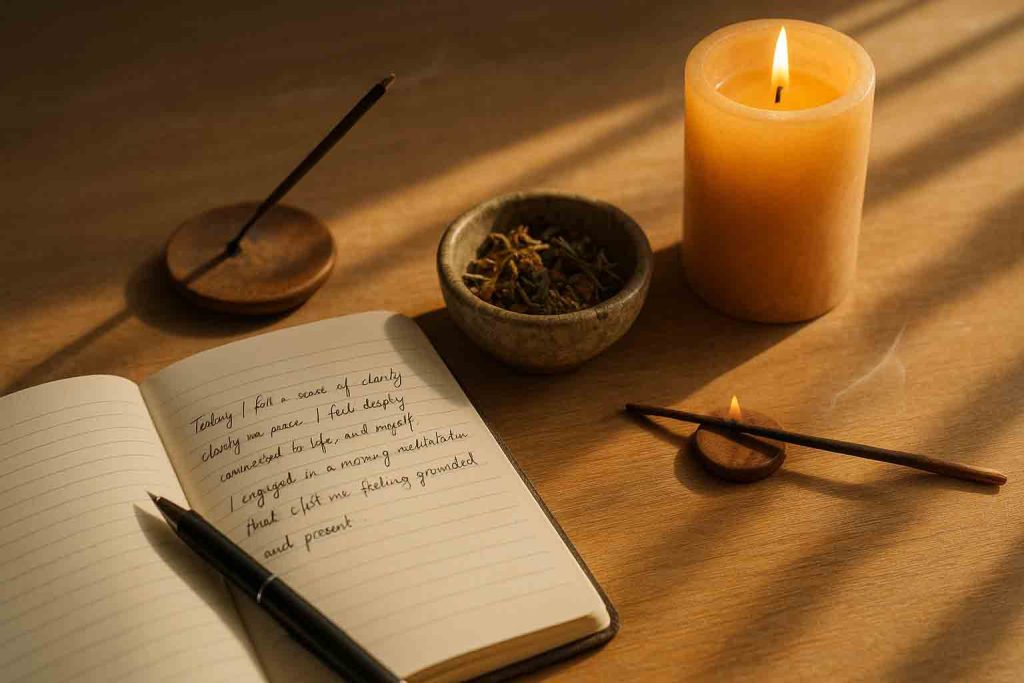
The true power of Andean Inner Alchemy emerges through consistent personal practice adapted to your unique needs and circumstances. While traditional methods provide the foundation, your application will naturally evolve based on your environment, constitution, and specific transformation goals.
Self-Assessment
Begin by honestly evaluating your current state across all dimensions:
Physical Assessment
- How is your energy level throughout the day?
- Do you experience physical symptoms that appear related to stress or emotion?
- How well do you sleep, and do you wake feeling rested?
- Are there specific physical systems showing signs of imbalance?
Energetic Assessment
- Do you frequently feel depleted after normal activities?
- Are there times of day when your energy predictably drops?
- Do you feel grounded and centered most days?
- Can you sense and direct your own energy?
Spiritual Assessment
- Do you feel connected to something larger than yourself?
- Are you able to find meaning in both challenges and joys?
- Do you have practices that nourish your spirit?
- Is there a sense of purpose guiding your life choices?
Emotional Assessment
- Can you identify and express your emotions appropriately?
- Do you notice recurring emotional patterns or triggers?
- Are there specific emotions you tend to avoid or overexpress?
- How well do you navigate emotional challenges when they arise?
Building Your Practice
The most effective approach integrates multiple dimensions rather than focusing exclusively on any single aspect. Start small, build consistently, and allow your practice to evolve organically.
Daily Practices (15-30 minutes)
Morning:
- 5 minutes: Physical cleansing (tongue scraping, lemon water, skin brushing)
- 5 minutes: Energy cultivation through breathing and gentle movement
- 5 minutes: Heart-centered emotional check-in
- 5 minutes: Connection with intention and purpose for the day
Evening:
- 5 minutes: Reflection on the day’s experiences
- 5 minutes: Releasing accumulated tensions and energies
- 5 minutes: Gratitude practice
- 5 minutes: Preparation for conscious dreaming
Weekly Practices (30-60 minutes)
Choose one day each week for a deeper practice:
- More extensive physical cleansing
- Nature connection time
- Community sharing or support
- Extended meditation or contemplative practice
- Review and renewal of intentions
Monthly Practices (2-4 hours)
Align with the lunar cycle for monthly renewal:
- Full Moon: Celebration and manifestation
- New Moon: Introspection and seeding intentions
- First Quarter: Active cultivation of new projects
- Last Quarter: Release and completion
Seasonal Alignment (1-3 days each season)
Traditional Andean practice emphasizes major transitions at solstices and equinoxes:
- Spring Equinox: Deep cleansing and renewal
- Summer Solstice: Full expression and manifestation
- Autumn Equinox: Harvesting insights and completion
- Winter Solstice: Inner work and incubation of new visions
Integration Tips
Adapting Ancient Practices for Modern Life
While traditional Andean communities structured life around these practices, modern adaptation requires flexibility:
- Start with practices that resonate most strongly with you
- Begin with shorter durations and build gradually
- Adapt ceremonies to available spaces and resources
- Use technology mindfully to support practice (timers, guided recordings)
- Find community support, even if virtual
Common Obstacles and Solutions
Obstacle: “I don’t have enough time.” Solution: Start with just 5 minutes daily. Even brief, consistent practice yields results.
Obstacle: “I’m not sure if I’m doing it right.” Solution: Focus on the principles rather than perfect execution. These practices are meant to evolve with personal exploration.
Obstacle: “I don’t have access to traditional materials.” Solution: Intention matters more than specific materials. Substitute locally available items that fulfill similar functions.
Obstacle: “I don’t see immediate results.” Solution: Track subtle changes over time rather than expecting dramatic shifts. Transformation is usually gradual yet profound.
Progress Tracking Methods
Rather than measuring “success,” focus on tracking awareness:
- Keep a simple journal noting insights and shifts
- Record energy levels and emotional states
- Notice changes in dreams and intuitive awareness
- Track physical indicators like sleep quality and digestion
- Periodically revisit your self-assessment to notice changes
7-Day Starter Practice
Begin with this simple week-long introduction to Andean Inner Alchemy:
Day 1: Physical Cleansing
- Morning: Lemon water, tongue scraping
- Evening: Light, plant-based dinner
Day 2: Energy Cultivation
- Morning: 5 minutes of Wayra Samay (Wind Breath)
- Evening: Mountain Standing Posture for 3 minutes
Day 3: Spiritual Connection
- Morning: Create a simple altar with elemental representations
- Evening: 5 minutes of quiet communion with your altar
Day 4: Emotional Awareness
- Morning: Heart-centered check-in
- Evening: Stone Release practice
Day 5: Transformative Nutrition
- Morning: Mindful breakfast with gratitude
- Evening: Prepare a meal using Andean principles
Day 6: Nature Connection
- Spend 20 minutes in a natural setting
- Practice direct communication with natural elements
Day 7: Integration
- Review insights from the week
- Create your personal plan for continued practice
- Celebrate your commitment to transformation
Expert Perspectives and Living Traditions

While Andean Inner Alchemy has ancient roots, it remains a living tradition practiced and adapted by contemporary knowledge keepers. Understanding how these practices continue to evolve helps bridge traditional wisdom with modern application.
Practitioner Insights
Don Francisco Chura Flores, Kallawaya healer from Bolivia: “The mistake many make is thinking transformation should be dramatic or immediate. True alchemy happens gradually, like the formation of a mountain. Small, consistent actions create the most enduring changes. In our tradition, we say the path of transformation is walked one conscious step at a time.”
Doña Mercedes Paucar, Q’ero elder from Peru: “Everything is alive. The mountains, the waters, the plants, the stones—all have consciousness. When you approach transformation with this understanding, you never work alone. You have countless allies supporting your journey if you learn to communicate with them.”
Modern Applications
Contemporary practitioners are finding innovative ways to adapt traditional wisdom while maintaining its essential integrity:
- Integration with complementary healing modalities
- Application in therapeutic contexts for trauma and addiction recovery
- Adaptation for urban environments with limited nature access
- Documentation and preservation of techniques through respectful collaboration
- Cross-cultural dialogue with other indigenous wisdom traditions
Learning Opportunities
For those wishing to deepen their understanding of Andean Inner Alchemy, several responsible pathways exist:
- Study with recognized tradition carriers who actively share teachings
- Experiential retreats in the Andean region with ethical operators
- Community practice groups focused on respectful engagement
- Academic resources documenting traditional practices
- Direct communion with the natural world as primary teacher
Ethical Considerations
Approaching these traditions requires cultural respect and appropriate practice:
- Acknowledge the source traditions and their keepers
- Avoid commercializing or trivializing sacred practices
- Understand the difference between appreciation and appropriation
- Reciprocate by supporting indigenous communities
- Approach learning with humility and gratitude
Conclusion: Your Transformation Journey
The path of Andean Inner Alchemy offers a profound approach to holistic transformation rooted in one of humanity’s most enduring wisdom traditions. These practices remind us that true wellness emerges not from quick fixes or isolated techniques but from realigning ourselves with natural cycles, conscious community, and the living world around us.
The journey of transformation is inherently personal. While this guide provides foundation principles and practices, your unique expression will naturally emerge through consistent engagement. Trust your experience while remaining mindful of the wisdom embedded in traditional approaches.
Remember that Inner Alchemy represents just one facet of the comprehensive Andean approach to wellness. As you explore these transformative techniques, you’ll discover natural connections with practices of natural healing and longevity—creating a complete system for holistic living based on ancient wisdom yet perfectly suited for contemporary challenges.
We invite you to begin your journey of transformation today with a simple commitment: choose one practice from this guide that resonates most strongly, and implement it consistently for the next seven days. From this small seed, planted with intention and nurtured with attention, your personal alchemy will begin.
Resources for Further Exploration
Recommended Books
- “The Andean Codex” by J.E. Williams
- “Masters of the Living Energy” by Joan Parisi Wilcox
- “Peruvian Shamanism: The Pachakuti Mesa” by Oscar Miro-Quesada
- “The Fourth Level: Nature Wisdom Teachings of the Andes” by Elizabeth B. Jenkins
Educational Organizations
- The Heart of the Healer Foundation
- Pachakuti Mesa Tradition
- Andean Research Institute
- Four Winds Society
Documentaries
- “Spirits of the Jaguar: The Andean World”
- “Q’eros: The Shape of Survival”
- “Singing to the Plants”
Disclaimer: This guide presents traditional practices for educational purposes. These approaches complement but do not replace appropriate medical care. Always consult qualified healthcare providers for health concerns.