

5 core components to Master Emotional Intelligence for Inner Peace and Personal Growth

Emotional intelligence plays a crucial role in fostering inner peace by enhancing self-awareness, empathy, and emotional regulation. By understanding and managing our own emotions as well as recognizing the emotions of others, we create healthier relationships and reduce stress, leading to a more harmonious and peaceful state of mind.
Emotional intelligence isn’t just a buzzword; it’s a bridge to finding inner peace and fostering meaningful personal growth. Imagine navigating life’s ups and downs with the same ease you feel walking your favorite nature trail or the calm you experience in a quiet yoga session. This ability to understand and manage your emotions – and those of others – can significantly reshape your emotional landscape.
While it may seem daunting initially, cultivating emotional intelligence involves practical steps grounded in everyday activities such as mindful breathing or reflective thinking. With extensive research and real-life applications backed by experts, our guide aims to offer not just information but actionable strategies for anyone striving for balance and deeper connections in life. To start this journey towards emotional clarity, it’s essential to first grasp what emotional intelligence truly entails.
What is Emotional Intelligence?
Emotional Intelligence (EI) fundamentally refers to our capacity to comprehend and navigate the complex landscape of our emotions and those of others. It goes beyond mere intellectual understanding; Emotional Intelligence informs how we interact with the world around us, influencing our relationships, decision-making, and overall mental well-being.
When we think about Emotional Intelligence in practical terms, we can identify five core components that shape how we relate to ourselves and others.
The Five Components of Emotional Intelligence
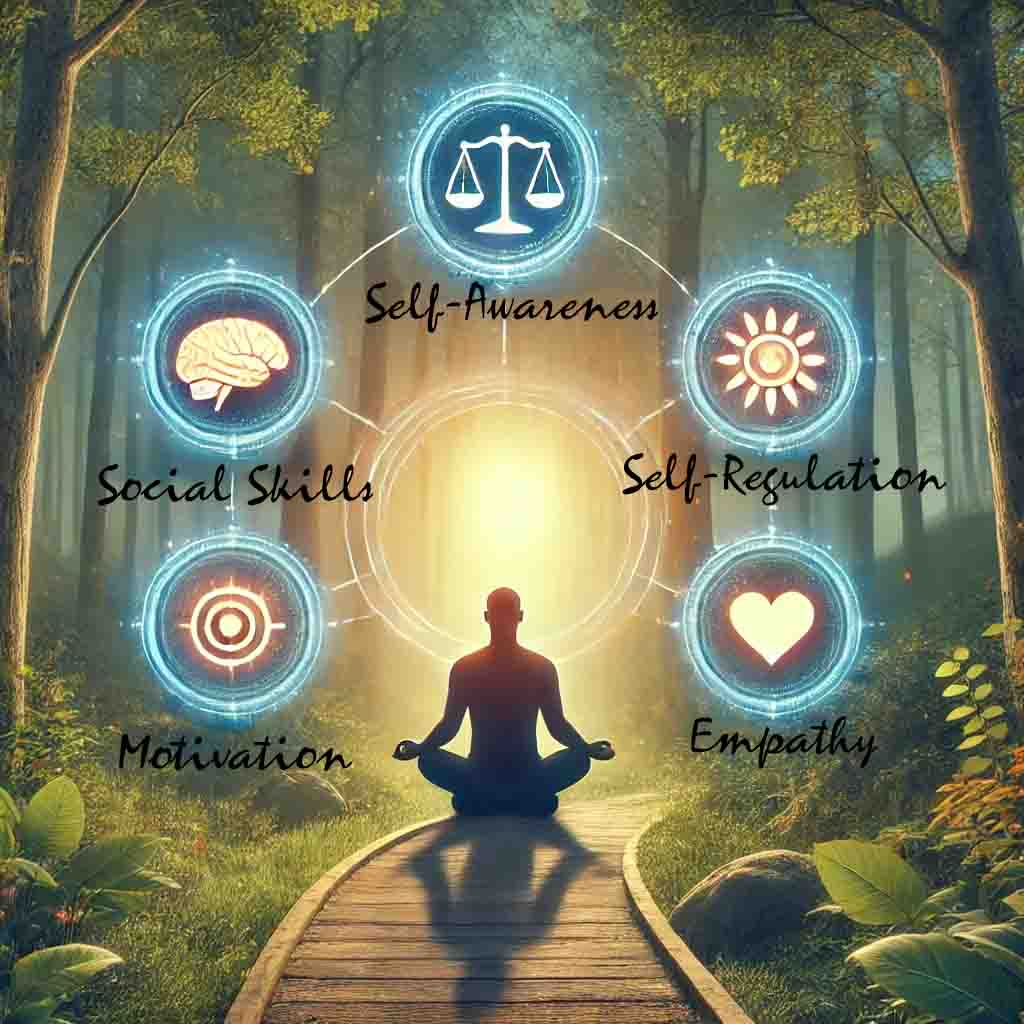
Self-awareness
The first component is self-awareness. This involves recognizing your emotional states and understanding how they influence your thoughts and behaviors. For example, imagine a professional who notices when they feel overwhelmed at work. Instead of lashing out at colleagues or becoming paralyzed by stress, this individual takes a moment to breathe, harnesses their emotions, and approaches situations with a clearer mindset.
Self-Regulation
Following closely is self-regulation. This aspect allows individuals to manage their emotional responses effectively. Picture a parent who receives upsetting news but chooses to remain calm while discussing matters with their children. In this instance, self-regulation prevents knee-jerk reactions that could lead to conflict or misunderstandings.