

Mastering Physical Wellness: The Ultimate Health Guide

Mastering Physical Wellness entails adopting a holistic approach that includes regular physical activity, balanced nutrition, stress management, and adequate sleep. By focusing on these key areas, individuals can significantly enhance their overall health, reduce the risk of chronic diseases, and improve their quality of life.
Mastering physical wellness is not just a goal; it’s a journey that combines smart nutrition, regular exercise, and sufficient rest to transform your health and vitality. Imagine starting your day not overwhelmed by fatigue but energized by a balanced breakfast and a quick morning yoga session—the transition from tiredness to vitality is closer than you think.
By exploring scientifically-backed methods and practical strategies, this guide provides clear paths towards achieving sustainable health. From understanding the profound impact of a Mediterranean diet on heart health to seamlessly fitting brief but effective workout routines into your busy schedule, each section focuses on tangible steps you can take now. Small adjustments—like adding a brisk walk or choosing whole grains over processed foods—not only boost energy levels but also lower stress. Ready to dive deeper? Let’s begin by examining the core pillars of physical wellness that form the foundation of your new healthy lifestyle.
The Pillars of Physical Wellness
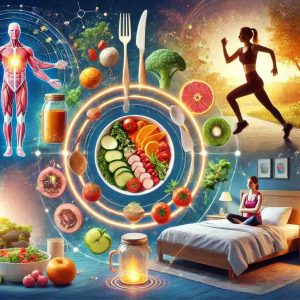
1. Proper Nutrition
Proper nutrition serves as the bedrock of physical wellness. It is not just about eating; it’s about fueling our bodies with the right substances needed for optimal function. Imagine your body as a high-performance vehicle—without premium fuel, it simply won’t run at its best.
The NIH emphasizes that nearly 75% of healthcare costs stem from chronic diseases, many of which can be prevented through better nutritional choices. This statistic underscores the vital role that what we eat plays in not just our individual health, but collective wellbeing.
To break it down further: essential nutrients include carbohydrates, proteins, fats, vitamins, and minerals. These components work harmoniously to support our bodily functions such as digestion, immune response, and energy production.
A perfect example is the Mediterranean diet, which embraces an array of vegetables, fruits, whole grains, and lean proteins—foods that not only taste good but are also proven to significantly lower heart disease risk by up to 30%. By focusing on whole foods and minimizing processed items laden with sugars and unhealthy fats, you set yourself up for success.
Transitioning to physical activity reveals an equally essential pillar that complements proper nutrition.
2. Physical Activity
Regular physical activity is undeniably a cornerstone of physical wellness. Experts from the American Heart Association recommend engaging in at least 150 minutes of moderate-intensity exercise weekly.
This might seem daunting at first glance; however, when you break it down into manageable sessions—perhaps 30 minutes five days a week—it becomes much more approachable and sustainable.
Research supports this recommendation aggressively: studies show that achieving this level of activity can diminish cardiovascular disease risks by anywhere between 20-30%. It’s fascinating how even moderate activities—like brisk walking or cycling—can yield profound benefits for your heart health and overall fitness levels.
Additionally, incorporating higher intensity workouts such as HIIT or weightlifting can amp up your results further, helping to build muscle while enhancing stamina.
As we continue exploring these pillars, sleep emerges as a vital component frequently overlooked within the conversation surrounding health.
3. Sleep
Sleep plays a critical role in physical wellness that very few can afford to neglect. Think of sleep as your body’s dedicated repair time; without sufficient rest, healing processes falter while cognitive functions swing off-kilter.
In fact, the CDC has stated that adults should target at least 7 hours per night for optimal health—and alarmingly—over one-third of American adults fall short of this benchmark.
Poor sleep quality or insufficient sleep can predispose individuals to issues like obesity, diabetes, and even mental health disorders such as anxiety and depression. Thus, maintaining a regular sleep schedule becomes pivotal.
Simple strategies include establishing a calming bedtime routine and creating an environment conducive to restful slumber—dim lighting, cool temperatures, and limited distractions work wonders.
With these foundational pillars laid out distinctly before us, we can appreciate how they intertwine seamlessly to foster a holistic approach to health and wellness. Moving forward, it’s crucial to recognize how diet can significantly influence these areas of our lives.
Importance of a Balanced Diet

A balanced diet is not merely a guideline; it’s a cornerstone of physical wellness that allows your body to operate at its best. When you prioritize a variety of foods, you give your body the necessary fuel it needs to function effectively. Nutrients like vitamins and minerals play critical roles in everything from immune function to energy production. More specifically, they help regulate bodily processes, support growth, and aid in repairing tissues. Think of it as a well-tuned engine; each component has its role and must work together seamlessly for optimal performance.
Components of a Balanced Diet
To achieve such remarkable synergy within your body, your diet should encompass all food groups, thus fulfilling diverse nutrient requirements. Each component plays its part:
-
Vegetables and Fruits: Rich in vitamins, minerals, and fiber, they contribute to overall health and aid digestion. They also provide antioxidants, which protect your body from oxidative stress.
-
Whole Grains: Excellent sources of energy, these foods are high in fiber and can help maintain steady blood sugar levels. Incorporating options like brown rice, oats, or whole grain bread will keep you satisfied longer.
-
Proteins: Essential for muscle repair and growth, proteins can come from various sources like lean meats, beans, lentils, and nuts. Not only do they fuel your body post-exercise but they also play vital roles in hormone regulation.
-
Fats: Healthy fats are important for brain health and cellular function. Opting for unsaturated fats such as those found in olive oil and avocados can positively affect heart health.
Picture this: an Andean meal consisting of quinoa—a nutritious whole grain—paired with grilled fish for protein, complemented by creamy avocado as a healthy fat source, and adorned with colorful seasonal vegetables. This meal exemplifies balance while showcasing rich local flavors that nourish both body and spirit.
Embracing various nutrients through a balanced diet sets the groundwork for enduring health benefits. As we explore further, understanding the role specific elements play in overall wellness becomes essential.
Essential Nutrients for Well-Being

Every bite you take contributes to your overall health, and ensuring a mix of essential nutrients can profoundly impact your well-being. Among these nutrients, vitamins and minerals play significant roles in maintaining various body functions.
Vitamins and Minerals
To start, vitamin D is a cornerstone of physical health. This vitamin helps maintain strong bones by assisting your body in absorbing calcium effectively. It’s fascinating that our bodies can produce vitamin D simply when exposed to sunlight; however, depending on where you live, especially during winter months, your sources may become limited. Foods such as fatty fish, fortified milk, and egg yolks can help replenish this nutrient.
While many people overlook iron, it is essential for producing blood cells that transport oxygen throughout the body. Without enough iron, you may experience fatigue or weakness. You can find iron in red meats, beans, lentils, and dark leafy greens like spinach. In fact, according to the WHO, about 30% of the global population suffers from iron deficiency anemia—an issue that underlines the importance of ensuring adequate intake.
Next up is calcium, which is vital not only for robust bones and teeth but also for proper muscle function and nerve signaling. Consuming calcium-rich foods like dairy products (think yogurt and cheese) along with leafy greens like kale will help meet daily requirements. If you’re lactose intolerant or prefer plant-based options, consider fortified plant milks or tofu.
While focusing on these micronutrients is important, don’t forget about macronutrients: carbohydrates, proteins, and fats. Each plays an integral role in providing the energy needed to fuel your body throughout the day.
By being mindful of these essential nutrients in your diet and understanding their significance, you’re setting yourself up for a healthier lifestyle. As we consider how diet influences wellness, it’s equally important to explore how movement complements these dietary choices in achieving overall health.
Designing a Fitness Routine
Crafting a fitness routine is much like creating a recipe; you need the right ingredients in the correct proportions for it to come together. The initial step involves setting clear goals. This means understanding what you want to achieve, whether that’s shedding a few pounds, gaining muscle, or boosting your cardiovascular health. There’s a fantastic approach known as SMART criteria that can help you define these objec