
Yamas: A Comprehensive Guide to Ethical Practices in Yoga

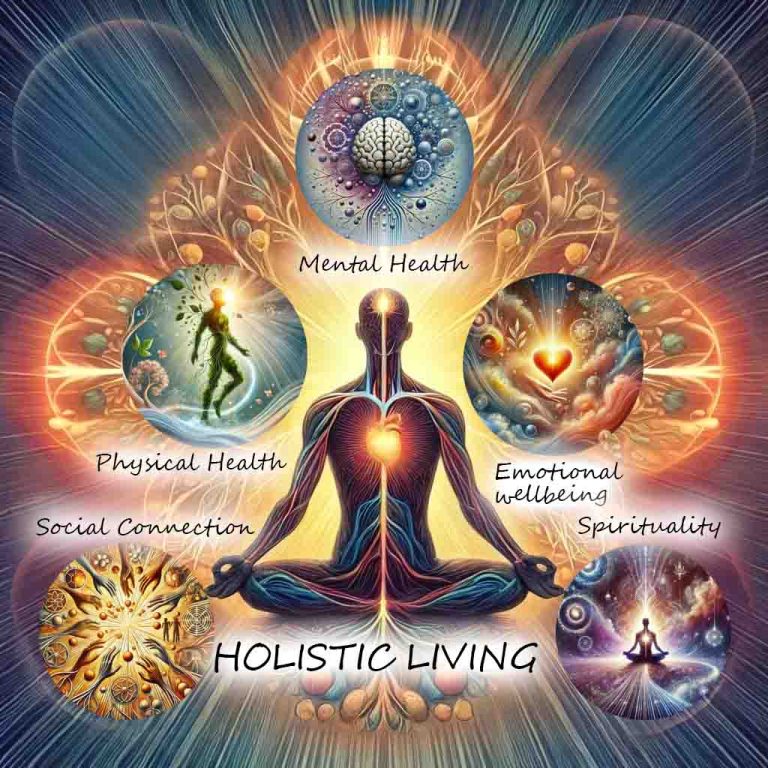
The Yamas are the first of the eight limbs of yoga, consisting of five ethical guidelines: Ahimsa (non-violence), Satya (truthfulness), Asteya (non-stealing), Brahmacharya (moderation or celibacy), and Aparigraha (non-possessiveness). These principles serve as a foundation for personal behavior and interpersonal relationships, promoting a holistic approach to well-being that encourages harmony with oneself and others.
When it comes to deepening your yoga practice, understanding the Yamas is like uncovering an ancient secret to a balanced and fulfilling life. These ethical practices, beautifully outlined by sage Patanjali in the Yoga Sutras, offer more than just moral guidance; they teach us how to navigate our everyday actions with intention and integrity. Think of them as gentle reminders that echo through various Eastern philosophies you may already admire—simple truths meant to harmonize both your internal thoughts and external actions.
But how do these timeless principles fit into our busy, modern lives? Our journey through each Yama will reveal practical applications that you can effortlessly blend into your routine. Extensive research and a love for holistic wellness have gone into crafting this guide for you. Imagine incorporating Ahimsa’s non-violence into your thoughts as seamlessly as enjoying a peaceful moment on a well-worn hiking trail. Let’s explore how these age-old teachings can transform not just your yoga practice but every aspect of your day-to-day living.
Introduction to Yamas
The Yamas represent a set of moral precepts that serve as ethical guidelines for how we engage with ourselves and others in our daily lives. These principles, rooted in ancient Indian philosophy, provide a compass for navigating life’s complexities, encouraging us to act with integrity and compassion. At its core, the concept of Yama translates to “restraint” or “control,” emphasizing that moral conduct is not just an ideal but a necessary element of personal growth and social harmony. Each Yama acts like a thread weaving through the fabric of our interactions, helping us cultivate a more balanced approach to life.
There are five key Yamas, each focusing on different aspects of ethical behavior: Ahimsa (non-violence), Satya (truthfulness), Asteya (non-stealing), Brahmacharya (moderation), and Aparigraha (non-possessiveness). Together, they encourage us to reflect on our actions and thoughts while fostering a spirit of mindfulness and accountability.
The Five Yamas
- Ahimsa (Non-Violence): This principle extends beyond physical non-violence; it encourages kindness in thoughts, words, and actions toward all beings. It serves as a reminder that compassion can transform conflicts and create peace within ourselves and our communities.
- Satya (Truthfulness): Embracing truth in every aspect of life is not always easy. Practicing Satya requires honesty with oneself and others, creating a foundation of trust that strengthens relationships and fulfills our need for authenticity.
- Asteya (Non-Stealing): This principle urges us not only to refrain from taking what isn’t ours physically but also to recognize that stealing someone’s time or energy can be just as harmful. By fostering respect for others’ contributions, we cultivate gratitude within ourselves.
- Brahmacharya (Moderation): Often associated with celibacy in traditional texts, Brahmacharya encourages moderation in all aspects of life, including consumption and desires. This mindful balance leads to greater self-discipline and a healthier relationship with oneself.
- Aparigraha (Non-Possessiveness): This Yama challenges our attachments to material possessions and the idea that ownership defines our worth. By cultivating simplicity and letting go of unnecessary desires, we liberate ourselves from the weight of excess baggage.
| Yama | Meaning | Benefits |
|---|---|---|
| Ahimsa | Non-Violence | Promotes compassion and reduces conflict |
| Satya | Truthfulness | Builds trust and integrity |
| Asteya | Non-Stealing | Fosters respect and gratitude |
| Brahmacharya | Moderation | Encourages balance and self-discipline |
| Aparigraha | Non-Possessiveness | Cultivates simplicity and reduces material dependency |
Each of these Yamas guides our ethical behaviors significantly contributing to personal well-being while enhancing societal harmony. As we integrate these principles into our daily lives—whether it’s choosing words that uplift rather than harm or recognizing the value of honesty—we open ourselves to deeper connections with others.
Having established this foundational understanding of ethical practices, let’s now explore how one particular principle manifests itself in practical ways.
Non-Violence: Ahimsa in Practice

Ahimsa, or non-violence, stands as a pillar not only within yoga but also in many philosophical traditions. The essence of practicing Ahimsa entails being mindful about the harm we might inflict—not just through actions, but also in what we say and think. This concept is not merely an abstract idea; it calls for actionable steps we can integrate into our daily routines, fostering peace both inwardly and outwardly.
Ways to Incorporate Ahimsa
To genuinely cultivate non-violence, it is essential to start internally. Begin by nurturing your thoughts to reflect compassion and kindness. For instance, when you make a mistake at work, rather than spiraling into self-criticism, practice self-compassion. This subtle shift in perspective allows you to learn from the experience rather than simply punishing yourself for it.
Beyond internal practices, Ahimsa can extend to how we interact with the world around us.
Gradually implementing actionable steps will help solidify your commitment to non-violence.
- Mindful Eating: One significant way to embrace Ahimsa is through mindful eating. By opting for a plant-based diet or minimizing meat consumption, you actively reduce harm towards animals. This choice becomes a statement of your values and engagement with the environment.
- Kind Speech: Words hold tremendous power; they can uplift or wound deeply. By committing to speak kindly and listening without judgment, you create a space for understanding and connection. Strive to replace harsh comments with constructive observations—you may find this not only benefits others but enriches your own outlook on life.
- Non-Judgment: Adopting a stance of non-judgment towards others contributes significantly to cultivating a peaceful mindset. People often act based on their circumstances; recognizing this encourages empathy rather than critique. When you catch yourself making snap judgments, pause and reflect on alternative perspectives—this small act nurtures understanding and harmony.
Each of these practices builds upon one another and fosters a lifestyle infused with respect for all beings.
As you incorporate Ahimsa into your daily life, you may begin to witness profound shifts—not just in how you view yourself, but also in your relationships with others. This journey towards non-violence creates ripples that extend far beyond personal boundaries, contributing to the collective well-being of society as a whole. Your choice of compassion over criticism and understanding over hostility positions you as an agent of positive change in fostering a more empathetic world.
With this foundation laid on the principles of non-violence, we can now explore the significance of truthfulness, diving deeper into its role within our ethical framework.
Embracing Truthfulness: Satya

Satya, meaning truthfulness, extends beyond mere honesty; it invites us to embody authenticity in our everyday lives. It asks us to be genuine in our thoughts, words, and actions while remaining conscious of how our truths may affect those around us. Living authentically can enrich our lives profoundly, fostering relationships built on trust and understanding. In yoga philosophy, Satya serves as a guiding principle that encourages alignment between what we think, say, and do.
Balancing Truth with Compassion
When we express our truths, we must do so thoughtfully. The delicate balance between being honest and maintaining compassion cannot be overstated. For instance, when giving feedback to a friend who has trusted you with their work, it’s crucial to frame your observations in a constructive manner. Rather than bluntly stating that something isn’t good enough, consider starting with what they did well before gently addressing areas for improvement. This approach not only communicates your message more effectively but also safeguards the relationship by demonstrating empathy.
Remember: The essence of Satya is not merely to speak our minds but to do so in ways that nurture our connections rather than sever them.
Yet embracing truthfulness involves an inherent journey inward as much as it does outward.
Take Mahatma Gandhi’s philosophy of Satyagraha, or truth-force. He harnessed the power of truth to mobilize change while emphasizing respectful dialogue and non-violence towards all beings. His life exemplifies that true courage lies in standing for one’s beliefs while considering how those beliefs impact others. Gandhi’s approach illustrates that living authentically requires more than bold proclamations; it necessitates an awareness of the intent behind those proclamations.
Personal reflection plays a key role in this process as well. Are we truly honest with ourselves about our motives, feelings, and aspirations? Acknowledging and embracing our inner truth can be transformative and liberating. However, it comes with its own set of challenges; sometimes, our inner dialogue can be clouded by societal expectations or fear of judgment.
Cultivating the practice of Satya fosters personal growth and fortifies relationships with those around us, establishing a community where honesty thrives amid compassion. By committing to this ethical standard, we encourage an environment ripe for trust and understanding—a fundamental element necessary for any community’s health and well-being.
As we explore further into these ethical guidelines, the next segment will highlight how respecting the boundaries of what is yours can enhance both personal integrity and communal harmony.
Respecting Boundaries: Asteya

Asteya, or non-stealing, encompasses more than the outright theft of objects; it includes a wider range of respect that encompasses others’ boundaries, time, and energy.
For instance, have you ever felt frustrated when someone arrived late to a meeting without acknowledgment? This feeling often arises when our time is taken for granted. A deeper understanding of Asteya helps us realize that stealing can manifest subtly, such as when one takes credit for another’s ideas or monopolizes conversations without consideration for others. Recognizing these forms fosters a more respectful environment.
Practicing Asteya
To practice Asteya effectively, it is essential to develop awareness around how we engage with other people’s resources—be it their time, energy, or contributions. Being punctual demonstrates that we value and respect someone else’s schedule.
When we acknowledge the efforts of others—whether by giving credit during discussions or genuinely appreciating the work of teammates—it cultivates a culture of integrity. This simple acknowledgment creates an atmosphere where everyone feels valued, promoting collaboration and trust within relationships.
By cultivating respectful interactions grounded in Asteya, we nurture connections based on mutual appreciation rather than taking advantage of each other.
Beyond merely avoiding theft of physical belongings, Asteya encourages a holistic sense of gratitude and contentment for what we possess in our lives.
Research indicates that regularly practicing gratitude can lead to improved mental health and overall well-being. Individuals who focus on appreciating what they have often experience decreases in feelings of envy and lack; consequently, they nurture healthier relationships with themselves and others.
Picture a stately tree that offers shade freely without expectation—its abundant branches symbolize the principles behind Asteya by sharing its resources while maintaining natural limitations. Just as a tree thrives by allowing others to benefit from its shade without depleting its own nourishment reserves, we too must learn to contribute meaningfully while respecting the boundaries of those around us.
Embracing this analogy guides us towards nurturing relationships characterized by mutual support and respect for each other’s resources while giving back without compromising others’ needs.
Practicing Moderation: Brahmacharya

Brahmacharya is frequently viewed through a narrow lens of celibacy. However, its true essence revolves around moderation and the wise management of one’s energy. This ethical principle encourages individuals to cultivate self-control and balance across various dimensions—physical, mental, and emotional. By embracing this broader understanding, we discover that Brahmacharya is more about restraint and intentional living than mere abstinence from sexual activity.
Implementing Moderation
To effectively practice Brahmacharya, begin by examining areas in your life where you might be experiencing excess—these could manifest as too much screen time, relentless work schedules, or even excessive indulgence in food.
The first step is awareness; recognize what takes your energy and how these patterns affect your overall well-being. This gradual process often demands a commitment to mindfulness, which can be achieved by setting clear boundaries for each aspect you intend to moderate.
For instance, if overworking seems to cause you stress, implement strict work hours that respect both your professional goals and personal time. If you’ve noticed unhealthy eating habits creeping in, consider planning meals ahead and practicing portion control.
Incorporating regular breaks during your work routine is another vital component of practicing moderation; it helps combat burnout while giving you mental space to recharge. Whether it’s stepping away for five minutes every hour or dedicating a day each week solely for self-care practices, these intentional pauses can foster a sense of balance in your life.
Through the practice of Brahmacharya, you carve out essential space for what truly matters—be it deepening relationships, enhancing productivity, or cultivating hobbies—leading ultimately to a more focused and fulfilling existence. Moderation invites clarity into our daily lives and opens up paths for genuine growth while allowing us to reconnect with our core values amidst the chaos that often engulfs us.
As we explore the various dimensions of ethical practices within yoga, it’s crucial to focus on how one can nurture a sense of non-attachment while fostering greater awareness in daily life.
Cultivating Non-Attachment: Aparigraha

Aparigraha encourages individuals to release their hold on material possessions and emotional attachments. This philosophy teaches us that true fulfillment doesn’t come from acquiring more stuff but rather from an internal sense of abundance. By learning to let go of what we no longer need or use, we create room for new opportunities and experiences to flow into our lives.
The act of decluttering can be liberating, allowing us to focus on what truly matters—relationships, personal growth, and well-being.
To embody this principle in daily life, it can be helpful to start with a commitment to living simply.
Living Simply
Simplifying your life involves more than just cleaning out your closets; it’s about creating mental space as well. Engage in regular practices that encourage decluttering both physically and mentally. For instance, you might set aside time each month specifically dedicated to donating items that no longer serve you. This could include clothes that don’t fit, books you’ll never read again, or gadgets that have been collecting dust.
Not only does this act reduce physical clutter, but it also fosters a sense of freedom and relief from the weight of excessive belongings.
However, the practice of Aparigraha extends beyond material possessions.
Many practitioners who embrace non-attachment note that letting go of mental attachments—such as worries, expectations, or past grievances—can significantly reduce anxiety. Imagine the burden you carry when you cling tightly to outdated beliefs or unresolved conflicts; releasing these mental weights can offer an enlightening shift toward living fully in the present moment.
This inner tranquility cultivates resilience amidst life’s inevitable challenges.
Picture life as a flowing river; when you stubbornly hold onto debris like regrets or rigid plans, stagnation occurs, blocking the natural flow of experiences. In contrast, letting go allows for continuous growth and progress.
When we approach life with an open heart and a willingness to release our need for control over outcomes, we discover more joy and connection in our daily experiences.
While practicing Aparigraha might be challenging initially, incorporating small steps towards non-attachment can lead to profound positive shifts in perspective and emotion. Remind yourself regularly that happiness arises from within and that your worth is not determined by your possessions or achievements.
As you cultivate a mindset rooted in gratitude and simplicity, life may become richer with meanings far beyond material gains.
By embracing these ethical principles, individuals can begin to transform their everyday experiences into something truly fulfilling. Transitioning now will guide us through practical ways to implement these teachings seamlessly into our routines.
Bringing Yamas into Daily Life
Incorporating the Yamas into your everyday routine is not merely about adherence to rules; it’s a transformative journey that starts with mindfulness. By weaving these ethical principles into the fabric of your daily life, you cultivate a deeper connection with yourself and those around you. Whether it’s in how you communicate with others, the choices you make, or even how you treat yourself, every action becomes an opportunity for practice.
Daily Practices
Start each day by setting aside a few moments for reflection. This could be as simple as a quiet moment with your morning coffee, where you think about one specific Yama you wish to embody for the day. For instance, focus on Ahimsa and let this intention guide you in your interactions—choosing kindness in words and actions. Keeping a journal can magnify this impact further. As you jot down your thoughts and experiences, notice how practicing the Yamas influences your mindset and behavior throughout the day.
But why stop there? Think about aligning the Yamas with other wellness practices you engage in. Perhaps you meditate or practice yoga regularly; try integrating discussions of the Yamas into these practices. At Andean Trail Kitchen, we emphasize a holistic approach—applying principles like Satya (truthfulness) not just on the mat but also in your relationship with food and nutrition.
When we anchor ourselves in these ethical practices consistently, we create ripples of change in our environment.
To explore more ways to integrate these transformative ethical practices into your lifestyle, I encourage you to visit our website at AndeanTrailKitchen.com. Here, you’ll find resources and programs designed to interlace ancient wisdom with modern wellness, helping you live a life of intentional integrity aligned with the principles of the Yamas.
Adopting the Yamas enhances not only individual lives but also fosters community well-being and connection. By committing to these ethical practices, we can truly experience a positive transformation within ourselves and those around us.