
Discover the Biodiversity of the Amazon Rainforest: Exploring Lesser-Known Flora

Some examples of lesser-known flora in the Amazon Rainforest include the Victoria amazonica, also known as the “Amazon water lily,” This plant is famous for its enormous circular leaves that can reach up to 3 meters (10 feet) in diameter, and the Psychotria viridis: A shrub belonging to the coffee family, this plant is lesser-known but significant because its leaves contain DMT (dimethyltryptamine), a powerful hallucinogenic compound. These lesser-known plant species often harbor remarkable properties that could hold potential benefits for medicine, agriculture, and other industries.
The Amazon Rainforest is a treasure trove of biodiversity that holds secrets far beyond what meets the eye. Among its wonders are lesser-known plant species that often remain hidden beneath its dense canopy. These unique flora not only contribute remarkably to ecological balance but also offer insights into nature’s intricacies, revealing new possibilities for science and conservation.
Scientists and botanists dedicate numerous hours in challenging conditions to uncover these botanical treasures. Using advanced tools like GPS mapping and drones, they meticulously document plant locations amid thick undergrowth and towering trees. Amazingly, despite their herculean efforts, less than a quarter of the Amazon has been extensively studied. This suggests an unimaginable wealth of undiscovered species still waiting to be revealed.
Investigating the Amazon Rainforest

The Amazon Rainforest is a colossal maze of greenery, teeming with life and mystery. When it comes to investigating its biodiversity, scientists and botanists have their work cut out for them. Imagine trekking through thick jungles, maneuvering around towering trees, and discovering new plant species along the way. This isn’t just an ordinary stroll in the woods; it’s an enthralling and arduous journey where every step holds the potential for a groundbreaking discovery.
Field research in the Amazon Rainforest involves more than simply observing plants. It entails immersing oneself in the dense foliage, documenting new findings, and investigating the underlying ecological dynamics. Scientists embrace nature’s challenges head-on, often spending weeks navigating through the wilderness. Armed with cutting-edge technology such as GPS mapping and drones, they meticulously document plant locations, creating a comprehensive understanding of the rainforest’s vegetation.
For instance, imagine venturing into Yasuni National Park in Ecuador—the epicenter of biodiversity. Here, per hectare, you’ll find more unique plant species than anywhere else on Earth. Walking through this lush and vibrant expanse feels like stepping into a botanical treasure trove. Each step reveals a new species waiting to be uncovered and studied – truly a testament to the uncharted territory that researchers navigate in their pursuit of uncovering the rainforest’s secrets.
The sheer scale and diversity of the Amazon Rainforest present both obstacles and opportunities for researchers. It’s not just about identifying individual plant species; it’s about piecing together a comprehensive understanding of an entire ecosystem. This isn’t a simple task given that the Amazon spans 5.5 million square kilometers across nine countries, making it one of the most biodiverse regions on Earth.
Technological Tools
Advanced technologies like satellite imagery and remote sensing allow researchers to analyze vast expanses of the rainforest from a bird’s eye view. This provides valuable insights into large-scale patterns of biodiversity distribution, helping scientists better comprehend the region’s ecological dynamics.
Conservation Challenges
However, as researchers deepen their knowledge of the Amazon Rainforest’s diverse flora, they also face mounting conservation challenges. The delicate balance between exploration and preservation becomes increasingly crucial as deforestation threatens this invaluable ecosystem.
Journeying through the Amazon Rainforest is an awe-inspiring venture that offers an unprecedented glimpse into our planet’s captivating biodiversity. With every step deeper into its green heart, new discoveries emerge, reinforcing its status as one of Earth’s richest natural wonders.
As we continue our exploration of the Amazon Rainforest, we will now dive even deeper into the hidden world of rare plant species that hold untold value within this vast ecosystem.
Discovering Rare Plant Species
The Amazon Rainforest, less than a quarter of which has been thoroughly explored, holds countless yet undiscovered species. New plant species consistently astound researchers and nature enthusiasts alike.
Uncovering Hidden Gems
In 2021 alone, over 100 new species of plants and fungi were identified in the Amazon Rainforest, providing a glimpse into the excitement of stumbling upon a previously unknown botanical wonder amidst the dense foliage. Each discovery stands as a testament to the sheer wonder and diversity that this magnificent rainforest harbors.
Once a new plant has been found, intensive documentation ensues. Scientists meticulously classify and document newly discovered species through taxonomy. The vibrant green neon leaves of the Piper genus or the highly toxic Socratea exorrhiza are carefully cataloged, allowing researchers worldwide to understand these unique flora more comprehensively.
The detailed study and documentation of new plant species often reveal their incredible adaptability and potential for medicinal benefits. Take, for example, the Corpse Flower, with its unique property of emitting a strong odor of rotting flesh to attract pollinators, or the Venus Flytrap known for its carnivorous nature. These captivating and lesser-known attributes have the potential to lead to groundbreaking advancements in various industries such as medicine, agriculture, and beyond.
In summary, the continuous discovery and study of rare plant species not only enrich our understanding of biodiversity but also unravel hidden potentials that could benefit humanity in ways we have yet to fully comprehend. The allure of uncharted territories and untapped knowledge hidden within the Amazon Rainforest is an intriguing testament to the boundless wonders of our natural world.
Now, let’s dive into the unique properties of Amazon flora and explore the potential benefits they offer to humanity.
Unique Properties of Amazon Flora

The Amazon Rainforest is teeming with life, and its flora has evolved fascinating adaptations that help them thrive in their specific environments. One of the most extraordinary examples is the Victoria Amazonica, also known as the giant water lily. This plant boasts enormous floating leaves that can span over six feet in diameter, providing a habitat for various aquatic organisms by creating a mini-ecosystem on the water’s surface. These impressive floating leaves aren’t just for show; they have actually evolved to maximize their surface area, allowing them to absorb sunlight for photosynthesis even in low-light conditions when the forest canopy blocks out direct sunlight.
Expanding on this incredible diversity, the Amazon Rainforest is home to numerous plant species with unique strategies to cope with their environment’s challenges. For example, take the Bromeliads, air plants that grow on other trees without taking nutrients from them. They catch and store rainwater in their leaves, forming a microhabitat that provides resources for other organisms as well. These small but crucial adaptations illustrate the resourcefulness and resilience of Amazon flora.
Another intriguing aspect of Amazon flora is their chemical defenses. Certain species have developed extraordinary compounds for protection against predators or parasites. For example, the Conium maculatum, also known as poison hemlock, produces deadly alkaloids that act as a potent defense mechanism against herbivores. This chemical warfare demonstrates the sophistication of plant self-defense mechanisms and their ability to adapt and survive in complex ecosystems.
In addition to physical and chemical defenses, many plants engage in symbiotic relationships with insects and fungi to ensure their survival. Orchids, for example, often depend on Mycorrhizal fungi for nutrients and support. This mutually beneficial relationship allows both organisms to thrive; the fungus provides essential nutrients to the orchid while receiving valuable carbohydrates in return. The intricate web of connections between different species highlights the interdependence and biodiversity within the Amazon Rainforest.
As we dive deeper into our exploration of lesser-known flora in the Amazon Rainforest, it becomes evident that these plants possess not only remarkable physical characteristics but also intricate chemical defenses and symbiotic relationships that contribute to the rich tapestry of biodiversity in this vibrant ecosystem.
Medicinal Uses of Unknown Plants
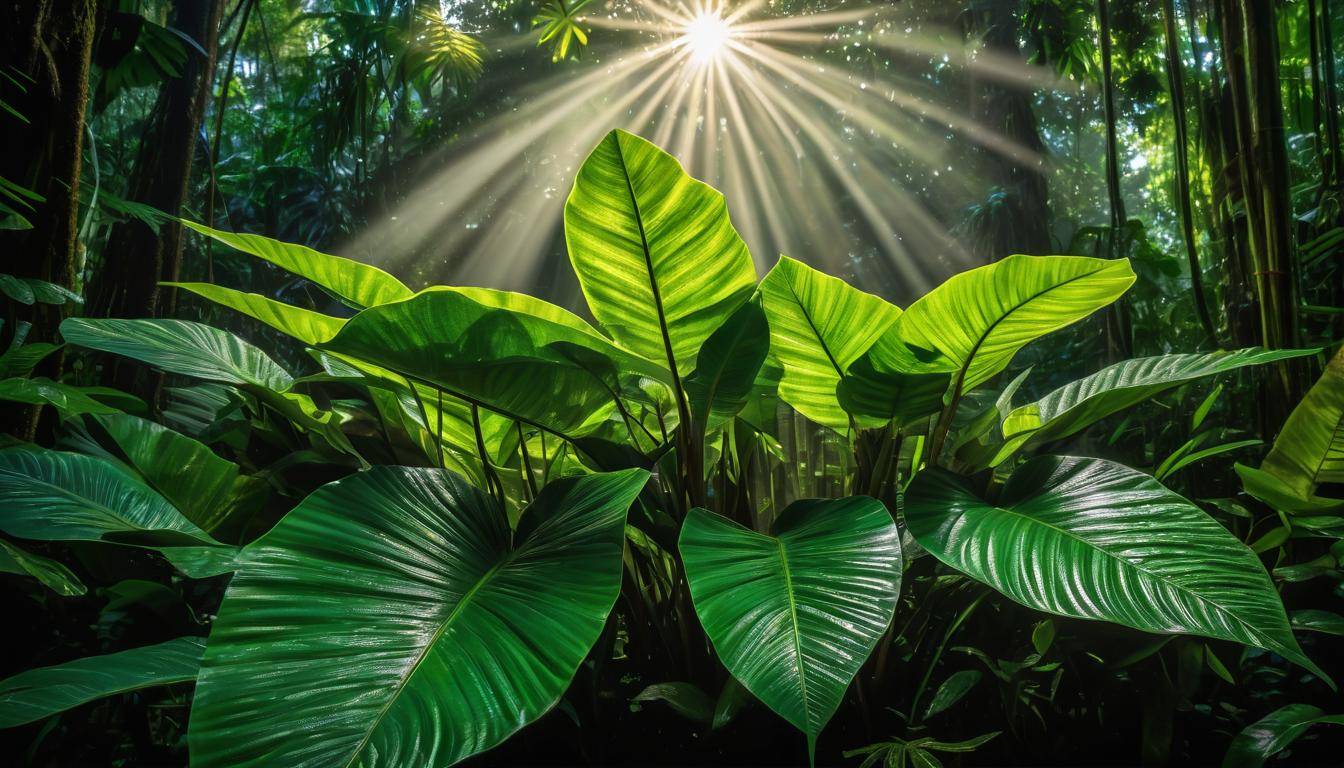
- Unearthing the Power of Amazonian Flora
In addition to its diverse wildlife, the Amazon rainforest houses a plethora of potential medicinal remedies due to its rich biodiversity. For centuries, indigenous tribes have turned to local flora to address various ailments, attracting the interest of pharmaceutical companies and researchers who recognize the untapped potential of these lesser-known species for their medicinal properties.
- Indigenous Knowledge and its Impact
One noteworthy example is the Cinchona tree’s bark, a renowned natural remedy for malaria treatment. Passed down through generations within indigenous communities, this tree underscores the depth of their understanding of the surrounding environment. The significance of indigenous knowledge in identifying medicinal