
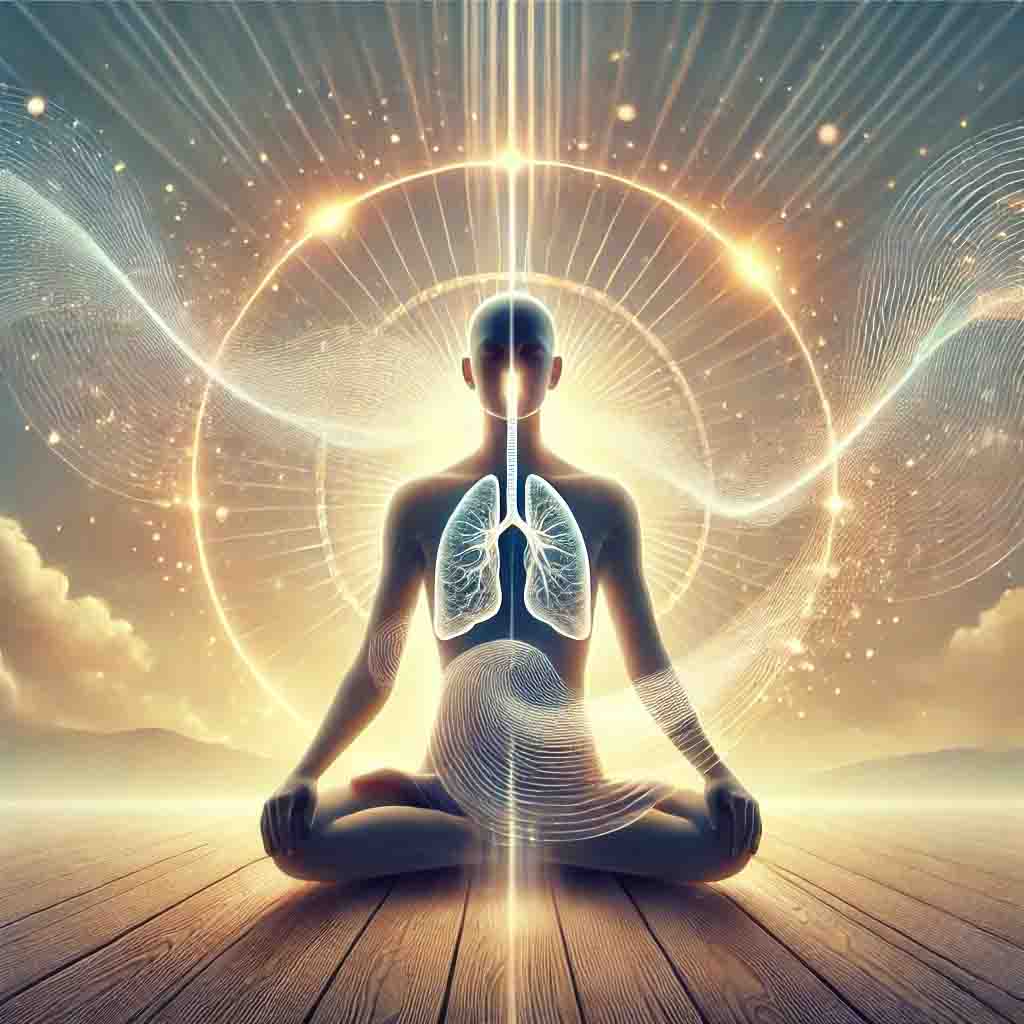
Pranayama: Master Breath Control for Serenity and Focus

Pranayama is an ancient yogic practice focused on breath control, which aims to enhance mental and physical well-being. Regular practice can improve lung capacity, reduce stress and anxiety, enhance emotional regulation, and promote a meditative state that leads to greater self-awareness and overall wellness.
Breath is life. Mastering your breath can unlock unparalleled levels of serenity and focus amidst life’s chaos. The ancient yogis believed that controlling one’s breath could influence both body and mind – a concept that modern science now supports with substantial evidence.
Understanding these techniques isn’t just for seasoned practitioners; even someone navigating a busy lifestyle can integrate these practices effortlessly. Whether you’ve felt the dawn’s calm while practicing simple techniques outdoors or you’re seeking new methods to manage stress after work, you’ll find comprehensive guidance based on meticulous research and firsthand experiences in this article. Now, let’s explore how breath control can reshape your wellness routine.
The Essence of Pranayama

At its core, Pranayama encapsulates the essence of breath control intertwined with our vitality. The practice goes beyond merely inhaling and exhaling; it acts as a bridge between our conscious and unconscious states. When you engage in Pranayama, you are not just controlling your breath but also fine-tuning your life force—prana.
The ancient yogis recognized that an unregulated breath could contribute to unease and sickness, while a disciplined approach could cultivate tranquility and health.
As we breathe, our emotions and mental clarity fluctuate with each breath cycle. This connection is why Pranayama serves as a tool for reducing stress and enhancing concentration. For instance, engaging in specific techniques can ease anxiety by activating the parasympathetic nervous system, which is responsible for our relaxation response.
When you strategically employ these breathing methods, you invite a wave of calmness and heightened awareness.
It’s indeed fascinating how something so simple can yield such powerful effects on our overall well-being.
One notable technique is Nadi Shodhana, or alternate nostril breathing, which balances the left and right hemispheres of the brain, promoting mental clarity and emotional stability. This helps practitioners center themselves during moments of chaos or uncertainty. In my experience, setting aside just five minutes each day for this practice enhances focus throughout daily activities.
Expanding Your Practice
To deepen your journey within Pranayama, consider incorporating shoulder rolls or gentle neck stretches before practicing. Such movements increase blood flow to the respiratory system, allowing for greater lung capacity and relaxation.
By embracing these practices regularly, you can unveil the profound benefits that come from understanding both physical sensations and emotional responses through breath control. This knowledge naturally leads to an exploration of how these techniques enhance overall wellness in daily life.
Physical and Mental Benefits
Practicing Pranayama regularly leads to transformative physical and mental improvements, validated by both ancient traditions and contemporary studies. Research indicates that regular practice can boost lung capacity by an impressive 20% within just a few months. This increase is vital for physical fitness and overall vitality. When we breathe deeply and fully, we bring in more oxygen that invigorates our cells, leading to numerous health benefits.
Physical Health Improvements
Beyond increased lung capacity, the physiological benefits of Pranayama are far-reaching. A consistent practice has been associated with lower blood pressure, enhanced cardiovascular health, improved respiratory function, and even a boosted immune system.
Consider the calming effect of Ujjayi breathing; studies suggest it can significantly reduce asthma symptoms while facilitating better oxygen exchange in the lungs. By employing this technique, many practitioners have experienced tangible improvements in their overall respiratory efficiency, making each inhalation count for their well-being. Pranayama serves not only as a stress-reliever but also as a robust ally in fostering physical resilience against chronic conditions.
Mental Health Enhancements
The mental health benefits are equally profound. Findings published in the International Journal of Yoga indicate that Pranayama practices activate the parasympathetic nervous system—a crucial bodily response that triggers relaxation. This activation can lead to meaningful reductions in stress levels and anxiety.
Anecdotal evidence from practitioners shows that techniques like Nadi Shodhana (alternate nostril breathing) result in significant clarity of thought and emotional stability. It’s fascinating to witness how something as simple as breath can regulate emotional responses, helping people find balance amid chaos.
Incorporating these techniques into your daily routine may improve your emotional well-being and transform your engagement with life itself. When you feel more centered and present, all aspects of your life—from work to relationships—benefit considerably.
With these compelling benefits spotlighting the impact of breath control, exploring various techniques will enhance our understanding and practice on the path to holistic well-being.
Popular Pranayama Techniques

Several Pranayama techniques cater to different needs and skill levels, each bringing unique benefits to the practitioner. Exploring these methods allows both beginners and seasoned yogis to discover which works best for them. Starting with simpler techniques can make the practice approachable for newcomers, while experienced practitioners often find value in revisiting these foundational methods for refinement.
Ujjayi (pronounced oo-JAY-ee)
One of the most celebrated techniques is Ujjayi, often referred to as “Victorious Breath.” This method calms the mind and enhances focus, establishing a connection between breath and movement in yoga.
To initiate this technique, sit comfortably with your spine straight, as alignment is key to effective breath