
Discover the Biodiversity of the Amazon Rainforest: Exploring Lesser-Known Flora

Some examples of lesser-known flora in the Amazon Rainforest include the Victoria amazonica, also known as the “Amazon water lily,” This plant is famous for its enormous circular leaves that can reach up to 3 meters (10 feet) in diameter, and the Psychotria viridis: A shrub belonging to the coffee family, this plant is lesser-known but significant because its leaves contain DMT (dimethyltryptamine), a powerful hallucinogenic compound. These lesser-known plant species often harbor remarkable properties that could hold potential benefits for medicine, agriculture, and other industries.
The Amazon Rainforest is a treasure trove of biodiversity that holds secrets far beyond what meets the eye. Among its wonders are lesser-known plant species that often remain hidden beneath its dense canopy. These unique flora not only contribute remarkably to ecological balance but also offer insights into nature’s intricacies, revealing new possibilities for science and conservation.
Scientists and botanists dedicate numerous hours in challenging conditions to uncover these botanical treasures. Using advanced tools like GPS mapping and drones, they meticulously document plant locations amid thick undergrowth and towering trees. Amazingly, despite their herculean efforts, less than a quarter of the Amazon has been extensively studied. This suggests an unimaginable wealth of undiscovered species still waiting to be revealed.
Investigating the Amazon Rainforest

The Amazon Rainforest is a colossal maze of greenery, teeming with life and mystery. When it comes to investigating its biodiversity, scientists and botanists have their work cut out for them. Imagine trekking through thick jungles, maneuvering around towering trees, and discovering new plant species along the way. This isn’t just an ordinary stroll in the woods; it’s an enthralling and arduous journey where every step holds the potential for a groundbreaking discovery.
Field research in the Amazon Rainforest involves more than simply observing plants. It entails immersing oneself in the dense foliage, documenting new findings, and investigating the underlying ecological dynamics. Scientists embrace nature’s challenges head-on, often spending weeks navigating through the wilderness. Armed with cutting-edge technology such as GPS mapping and drones, they meticulously document plant locations, creating a comprehensive understanding of the rainforest’s vegetation.
For instance, imagine venturing into Yasuni National Park in Ecuador—the epicenter of biodiversity. Here, per hectare, you’ll find more unique plant species than anywhere else on Earth. Walking through this lush and vibrant expanse feels like stepping into a botanical treasure trove. Each step reveals a new species waiting to be uncovered and studied – truly a testament to the uncharted territory that researchers navigate in their pursuit of uncovering the rainforest’s secrets.
The sheer scale and diversity of the Amazon Rainforest present both obstacles and opportunities for researchers. It’s not just about identifying individual plant species; it’s about piecing together a comprehensive understanding of an entire ecosystem. This isn’t a simple task given that the Amazon spans 5.5 million square kilometers across nine countries, making it one of the most biodiverse regions on Earth.
Technological Tools
Advanced technologies like satellite imagery and remote sensing allow researchers to analyze vast expanses of the rainforest from a bird’s eye view. This provides valuable insights into large-scale patterns of biodiversity distribution, helping scientists better comprehend the region’s ecological dynamics.
Conservation Challenges
However, as researchers deepen their knowledge of the Amazon Rainforest’s diverse flora, they also face mounting conservation challenges. The delicate balance between exploration and preservation becomes increasingly crucial as deforestation threatens this invaluable ecosystem.
Journeying through the Amazon Rainforest is an awe-inspiring venture that offers an unprecedented glimpse into our planet’s captivating biodiversity. With every step deeper into its green heart, new discoveries emerge, reinforcing its status as one of Earth’s richest natural wonders.
As we continue our exploration of the Amazon Rainforest, we will now dive even deeper into the hidden world of rare plant species that hold untold value within this vast ecosystem.
Discovering Rare Plant Species
The Amazon Rainforest, less than a quarter of which has been thoroughly explored, holds countless yet undiscovered species. New plant species consistently astound researchers and nature enthusiasts alike.
Uncovering Hidden Gems
In 2021 alone, over 100 new species of plants and fungi were identified in the Amazon Rainforest, providing a glimpse into the excitement of stumbling upon a previously unknown botanical wonder amidst the dense foliage. Each discovery stands as a testament to the sheer wonder and diversity that this magnificent rainforest harbors.
Once a new plant has been found, intensive documentation ensues. Scientists meticulously classify and document newly discovered species through taxonomy. The vibrant green neon leaves of the Piper genus or the highly toxic Socratea exorrhiza are carefully cataloged, allowing researchers worldwide to understand these unique flora more comprehensively.
The detailed study and documentation of new plant species often reveal their incredible adaptability and potential for medicinal benefits. Take, for example, the Corpse Flower, with its unique property of emitting a strong odor of rotting flesh to attract pollinators, or the Venus Flytrap known for its carnivorous nature. These captivating and lesser-known attributes have the potential to lead to groundbreaking advancements in various industries such as medicine, agriculture, and beyond.
In summary, the continuous discovery and study of rare plant species not only enrich our understanding of biodiversity but also unravel hidden potentials that could benefit humanity in ways we have yet to fully comprehend. The allure of uncharted territories and untapped knowledge hidden within the Amazon Rainforest is an intriguing testament to the boundless wonders of our natural world.
Now, let’s dive into the unique properties of Amazon flora and explore the potential benefits they offer to humanity.
Unique Properties of Amazon Flora

The Amazon Rainforest is teeming with life, and its flora has evolved fascinating adaptations that help them thrive in their specific environments. One of the most extraordinary examples is the Victoria Amazonica, also known as the giant water lily. This plant boasts enormous floating leaves that can span over six feet in diameter, providing a habitat for various aquatic organisms by creating a mini-ecosystem on the water’s surface. These impressive floating leaves aren’t just for show; they have actually evolved to maximize their surface area, allowing them to absorb sunlight for photosynthesis even in low-light conditions when the forest canopy blocks out direct sunlight.
Expanding on this incredible diversity, the Amazon Rainforest is home to numerous plant species with unique strategies to cope with their environment’s challenges. For example, take the Bromeliads, air plants that grow on other trees without taking nutrients from them. They catch and store rainwater in their leaves, forming a microhabitat that provides resources for other organisms as well. These small but crucial adaptations illustrate the resourcefulness and resilience of Amazon flora.
Another intriguing aspect of Amazon flora is their chemical defenses. Certain species have developed extraordinary compounds for protection against predators or parasites. For example, the Conium maculatum, also known as poison hemlock, produces deadly alkaloids that act as a potent defense mechanism against herbivores. This chemical warfare demonstrates the sophistication of plant self-defense mechanisms and their ability to adapt and survive in complex ecosystems.
In addition to physical and chemical defenses, many plants engage in symbiotic relationships with insects and fungi to ensure their survival. Orchids, for example, often depend on Mycorrhizal fungi for nutrients and support. This mutually beneficial relationship allows both organisms to thrive; the fungus provides essential nutrients to the orchid while receiving valuable carbohydrates in return. The intricate web of connections between different species highlights the interdependence and biodiversity within the Amazon Rainforest.
As we dive deeper into our exploration of lesser-known flora in the Amazon Rainforest, it becomes evident that these plants possess not only remarkable physical characteristics but also intricate chemical defenses and symbiotic relationships that contribute to the rich tapestry of biodiversity in this vibrant ecosystem.
Medicinal Uses of Unknown Plants
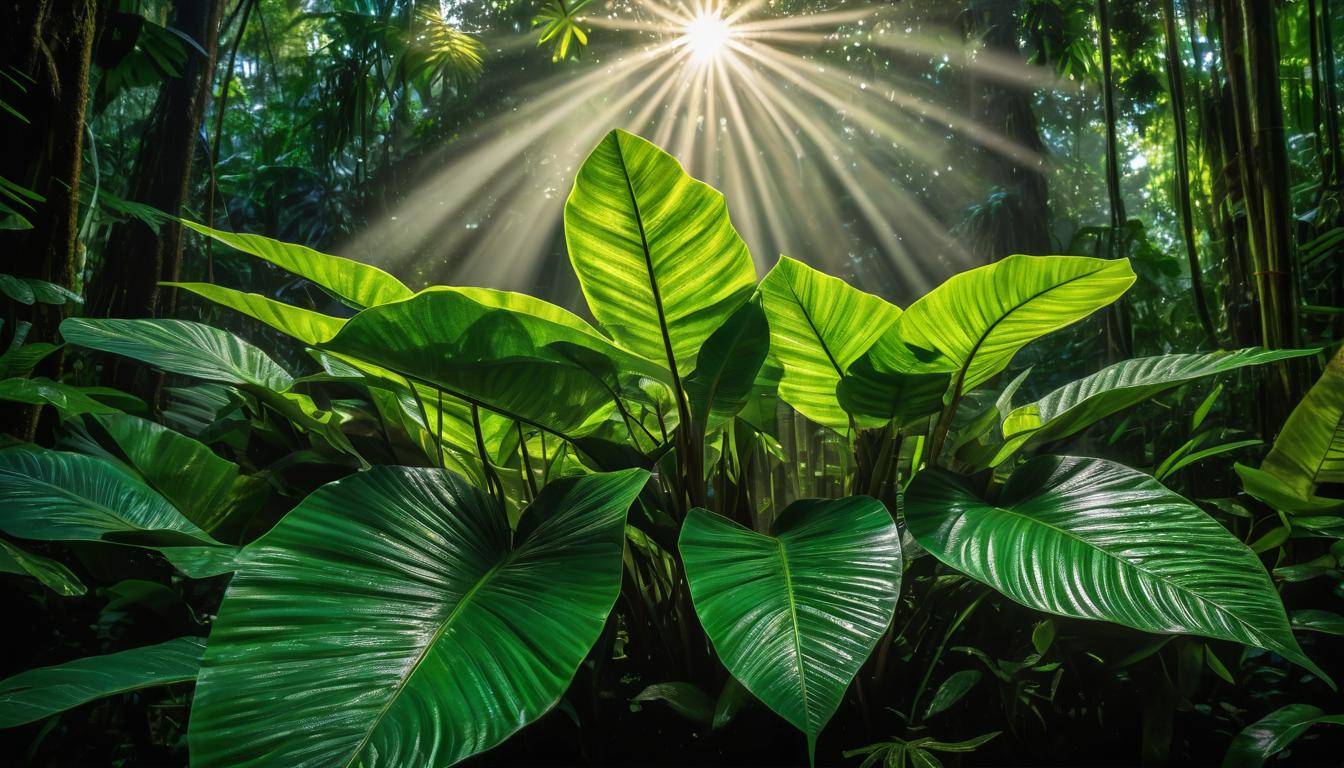
- Unearthing the Power of Amazonian Flora
In addition to its diverse wildlife, the Amazon rainforest houses a plethora of potential medicinal remedies due to its rich biodiversity. For centuries, indigenous tribes have turned to local flora to address various ailments, attracting the interest of pharmaceutical companies and researchers who recognize the untapped potential of these lesser-known species for their medicinal properties.
- Indigenous Knowledge and its Impact
One noteworthy example is the Cinchona tree’s bark, a renowned natural remedy for malaria treatment. Passed down through generations within indigenous communities, this tree underscores the depth of their understanding of the surrounding environment. The significance of indigenous knowledge in identifying medicinal plants cannot be overstated; it stands as a crucial resource for future pharmaceutical and scientific advancements.
- Pharmaceutical Prospects
Pharmaceutical interest in Amazon plants is well-founded. Studies reveal that over 25% of modern medicines stem from rainforest plants, emphasizing the considerable potential hidden within Amazonian biodiversity. Researchers are exploring numerous species as potential sources for drug development, highlighting the importance of safeguarding the Amazon rainforest for both conservation and potential medical discoveries.
- Unlocking Potential Treatments
Species like Cat’s Claw (Uncaria tomentosa) have demonstrated promise in treating viruses and inflammatory conditions. These findings instill hope and prompt further exploration into numerous undiscovered plant species, each potentially harboring compounds with significant medical applications. The diverse array of bioactive compounds within these unknown plant species presents an exciting frontier in medical research, offering boundless possibilities for discovering new treatments and cures.
- Fostering Collaboration for Medical Advancements
By amalgamating indigenous tribes’ knowledge with modern scientific approaches, a unique opportunity exists to unveil novel treatments from the largely unexplored botanical resources deep within the Amazon rainforest. This collaboration between tradition and innovation exemplifies how valuable partnerships can lead to important strides in medical science, potentially benefiting millions around the globe.
In this exploration of the wilderness’s untapped potential, one can’t help but marvel at the prospect of unearthing hidden plant treasures that hold promises of a better tomorrow.
Hidden Plant Treasures
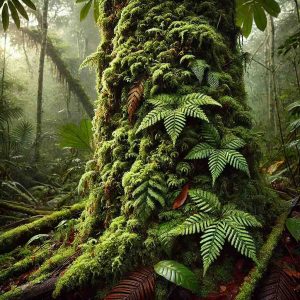
The Amazon Rainforest holds many secrets within its lush green embrace. Take, for instance, cryptic species—plants so elusive that they master the art of disguise, blending seamlessly with their surroundings. These marvels of nature are true masters of trickery and adaptation, often leaving even the keenest eyes bewildered as they camouflage themselves, making it difficult to distinguish them from their environment.
Mimetic mosses are a prime example of this wondrous phenomenon. They possess an extraordinary ability to blend in against tree bark, mimicking their surroundings so expertly that they become almost indistinguishable. Their cryptic nature makes them a fascinating subject for researchers and nature enthusiasts alike, as they challenge our perception of camouflage and adaptation in the plant kingdom.
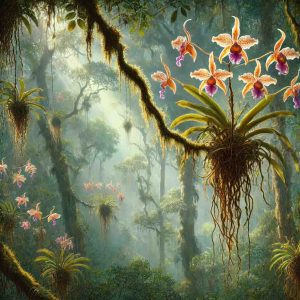
Moving on, we encounter a world shrouded in mystery high above the forest floor. Rare epiphytes, such as certain species of orchids, grace the canopies of the rainforest. Perched atop other plants, these delicate organisms thrive in high-altitude locations, casting an ethereal presence amidst the dizzying heights. It is their elusive nature, combined with their majestic beauty, that makes them coveted treasures for visionaries and botanists aiming to unlock the secrets of these magical aerial gardens.
When accessing these remote parts of the rainforest where epiphytes dwell, one must proceed with utmost care and patience. Not only does it require physical endurance to scale the heights, but also mental fortitude, as these rare jewels are well-hidden amidst the branches and leaves.
Nocturnal Bloomers

Stepping further into this enigmatic world, we encounter another group of hidden wonders—nocturnal bloomers. These elusive plants choose to reveal their splendor under cover of darkness, blooming during the quiet hours of the night. The mesmerizing Moonflower (Ipomoea alba) exemplifies this intriguing behavior, casting its radiant blossoms under the moonlit skies, offering a glimpse into a world seldom witnessed by most.
Observing these nocturnal bloomers requires a profound understanding of their cycles and behaviors. It takes dedication and patience to venture into the depths of the rainforest at nightfall, allowing nature’s veil to lift and reveal these elusive botanical treasures in all their glory.
In each corner of the Amazon Rainforest lies a new discovery waiting to be unraveled; from cryptic species blending seamlessly with their environment to rare epiphytes perched atop lofty canopies and nocturnal bloomers revealing breathtaking beauty under cloak of darkness. The hidden treasures within this rainforest continue to captivate and inspire all who seek to understand its abundant biodiversity.
As we dive deeper into the ecosystem of the Amazon Rainforest, we will discover how these lesser-known flora contribute significantly to its ecological balance.
Ecological Importance of Lesser-Known Flora
The Amazon Rainforest is a treasure trove of natural wonders, teeming with life in all its forms. Within this complex ecosystem, even the most obscure and unknown flora play vital roles that are integral to the overall health and functioning of the rainforest. So, what exactly are these crucial ecological roles that these lesser-known plants play in the intricate web of life?
Nutrient Cycling: The Unsung Heroes
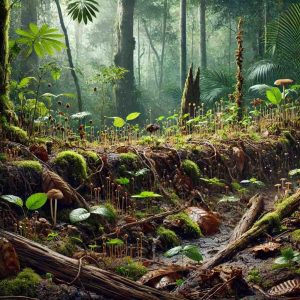
The nutrient cycle, crucial for sustaining the Amazon’s incredible biodiversity, is orchestrated by a spectrum of organisms including lesser-known flora. These plants are actively involved in breaking down organic matter and replenishing the soil with essential nutrients. As fallen leaves and other organic debris decompose on the forest floor, these plants enhance the cycle by facilitating decomposition and nutrient release. In doing so, they set the stage for new growth and ensure that essential nutrients are available for other plants and organisms within the rainforest ecosystem.
“In fact, without these smaller plants, many key nutrients would become trapped in dead organic matter and not be released back into the ecosystem.”
Biodiversity Support: A Haven for Life
Moreover, these often overlooked plants provide invaluable habitats and food resources for a diverse array of insects, birds, mammals, and other creatures that call the Amazon Rainforest home. Their presence sustains complex food webs and provides critical support for a myriad of species. This rich tapestry of life depends on the abundance and variety offered by these lesser-known plants to thrive within this awe-inspiring ecosystem.
“Without these plants, many animal species would struggle to find suitable habitats or sufficient food resources within the rainforest.”
Carbon Sequestration: Guardians Against Climate Change
Even in their unassuming nature, lesser-known flora contribute significantly to one of the most pressing environmental challenges—climate change. They quietly undertake the role of carbon sequestration, skillfully storing carbon dioxide in their biomass. This active removal of carbon from the atmosphere plays a pivotal role in reducing atmospheric CO2 levels, which is crucial in mitigating climate change. Considering their immense numbers and vast range across the rainforest, their combined contribution to carbon storage is indeed substantial.
By highlighting these lesser-known flora’s ecological significance, it becomes evident that their role goes far beyond mere botanical curiosity; they are indispensable components in preserving the integrity and balance of this vital ecosystem.
This interplay between diverse plant life and its impact on the Amazon Rainforest sets the stage for understanding the monumental challenges faced in conserving this irreplaceable global treasure. Now let’s dive into these critical challenges in plant conservation.
Challenges in Plant Conservation
The Amazon Rainforest faces numerous obstacles when it comes to preserving its diverse flora, each presenting unique challenges. One significant threat is deforestation, which continues to ravage vast areas of the rainforest. More than 17% of the Amazon has already been lost due to logging, agriculture, and mining activities, diminishing the natural habitat for countless plant species and disrupting essential ecological processes.
The repercussions of deforestation are far-reaching, affecting not only the flora but also the fauna that rely on this delicate balance for survival. The loss of such a vast expanse of forested land can have a detrimental impact on climate regulation, soil fertility, and water cycles, exacerbating the environmental consequences of deforestation.
Another major challenge is climate change. The increasing temperatures and altered rainfall patterns wrought by climate change disrupt plant growth cycles and threaten their very survival. These alterations in environmental conditions can potentially push many lesser-known plant species towards extinction, disrupting the intricate web of life within the rainforest.
It’s essential to recognize that these changes do not just affect the plants themselves but have a cascading effect on the myriad other organisms that depend on them for sustenance and shelter.
Furthermore, limited funding poses a significant hurdle to conservation efforts in the Amazon Rainforest. Despite being home to unparalleled biodiversity, conservation programs often grapple with inadequate resources, hindering large-scale preservation projects.
One more obstacle stems from limited legal protections. Weak legal frameworks in many Amazon countries compromise effective protection and enforcement of laws aimed at conserving rare plant species and their critical habitats. Legal ambiguities and loopholes often lead to insufficient oversight, opening the door for exploitation and habitat destruction.
In the absence of robust legal protections, illegal activities such as deforestation and unsustainable resource extraction continue unchecked, posing a grave threat to the sustainability of lesser-known flora in the Amazon Rainforest.
Navigating these multifaceted challenges demands collaborative efforts from policymakers, environmental organizations, local communities, and individuals alike. By acknowledging these hurdles, we can work towards developing sustainable solutions that ensure the long-term viability of the rich tapestry of plant life nestled within this irreplaceable ecosystem.
Preserving the biodiversity of the Amazon Rainforest requires a concerted effort from all stakeholders involved. Only through collective action can we hope to protect this invaluable treasure for generations to come.